
Starting a business is an exciting journey, but it comes with its risks. One of the most critical steps in building a successful startup is validating your idea before sinking money into it. The last thing you want is to spend time, energy, and capital on a product or service that doesn’t resonate with your target audience. Here’s how to validate your startup idea before you invest.
Why Validation is Crucial


When you validate your startup idea, you’re confirming that there’s a real demand for your product or service. This reduces the risk of failure, helps you allocate resources wisely, and increases your chances of attracting investors or early customers.
1. Start with Market Research


Market research should be the first step in your validation process. It helps you understand the landscape, your competition, and your potential customers’ needs.
What to do:
- Identify Competitors: Look at similar businesses and evaluate what’s working and where there’s a gap.
- Understand the Market: Research the industry, customer behavior, and trends. Use online tools like Google Trends, industry reports, and customer surveys.
- Target Audience: Define who your target customers are. What are their pain points, desires, and behaviors?
2. Build a Minimum Viable Product (MVP)
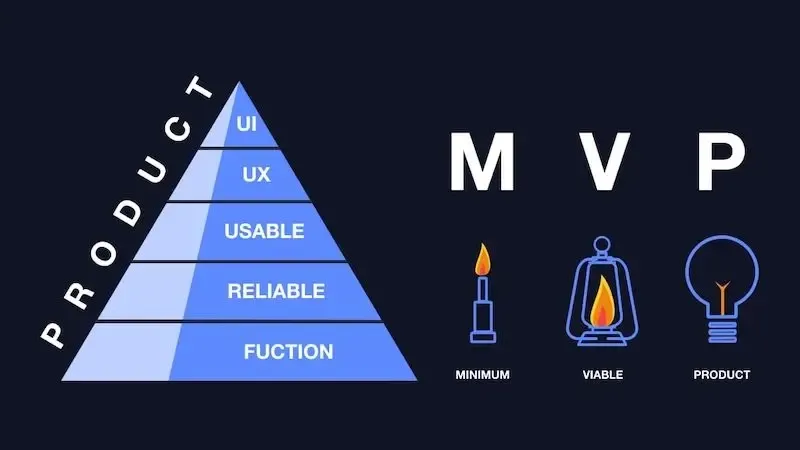
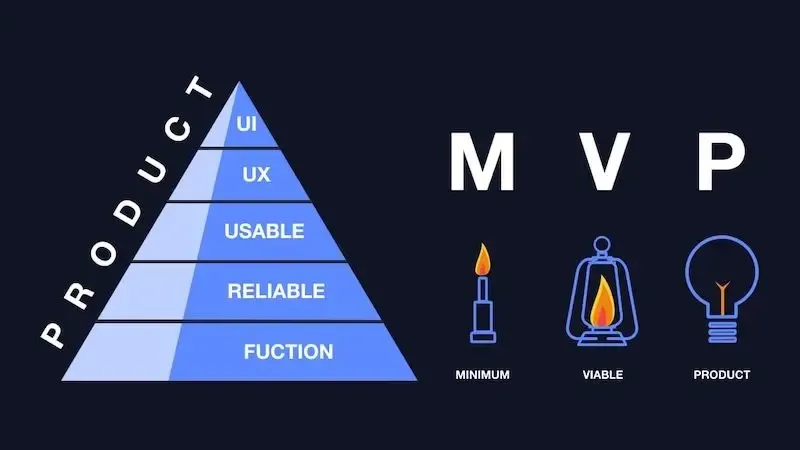
An MVP is a simplified version of your product with just enough features to attract early adopters. Instead of building a full-fledged product, focus on the core problem you’re solving.
What to do:
- Create a Simple Prototype: Build a basic version of your product that allows users to interact with it. This could be a website, app, or physical product prototype.
- Test with Real Users: Release the MVP to a small group of users. Gather their feedback and use it to improve the product before you invest heavily in development.
3. Conduct Surveys and Interviews
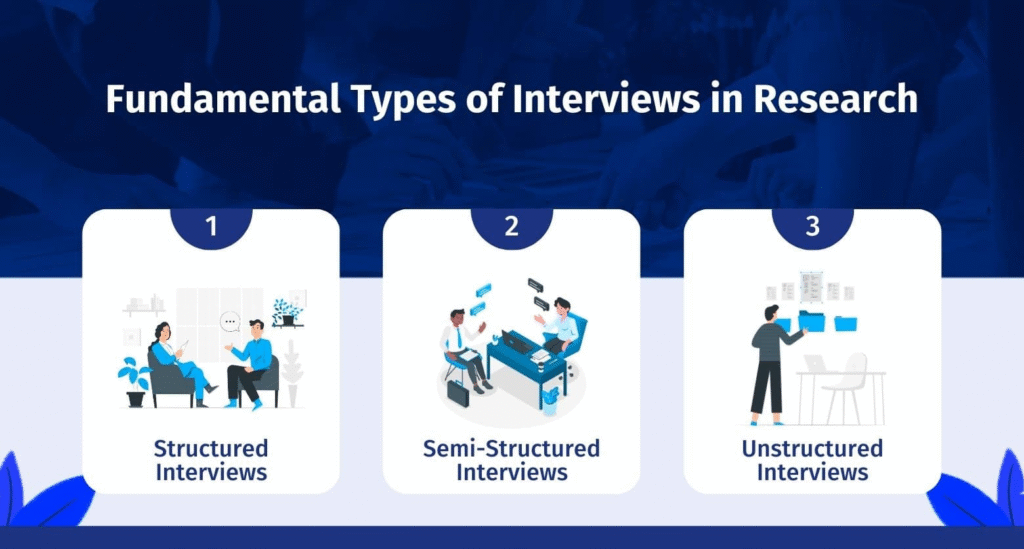
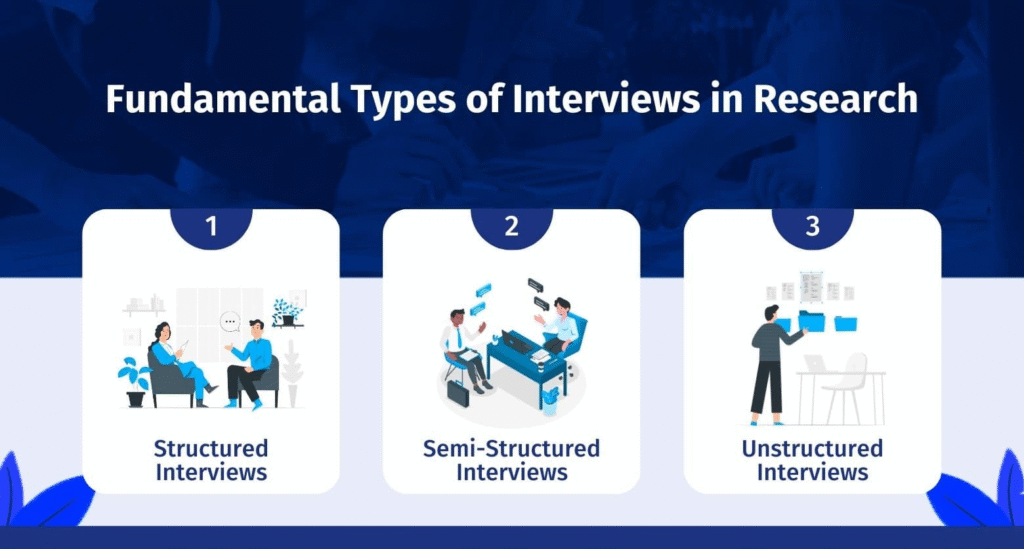
Talking to your target audience directly will give you valuable insights into their needs, preferences, and willingness to pay for your solution.
What to do:
- Online Surveys: Create short, targeted surveys to ask specific questions about your idea. Use platforms like Google Forms or Typeform.
- Customer Interviews: Speak one-on-one with potential customers. Ask about their challenges, how they currently solve them, and whether they’d be interested in your solution.
- Pre-Sell Your Product: Offer a pre-order or early-bird discount to see if people are willing to buy before the product is ready.
4. Test Your Idea with Landing Pages

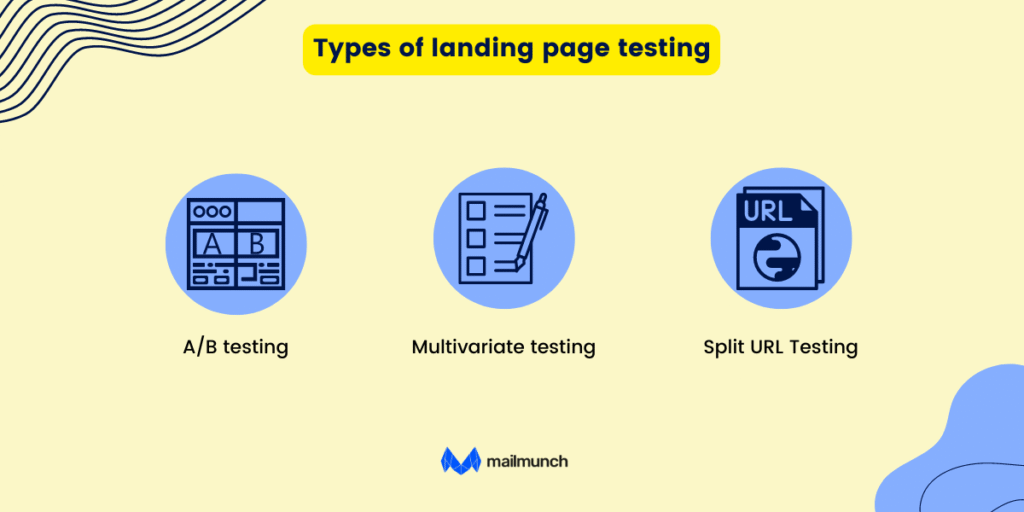
A landing page is a simple webpage designed to showcase your product or idea and capture interest from visitors. It’s a great way to gauge market interest without building the entire product.
What to do:
- Create a Landing Page: Use tools like Unbounce, Wix, or WordPress to create a simple landing page that outlines your product’s value proposition.
- Add a Call-to-Action (CTA): Include a CTA like “Sign up for early access” or “Pre-order now” to measure interest.
- Track Analytics: Use Google Analytics or a similar tool to track how many visitors engage with your landing page.
5. Run Paid Ads for Quick Validation


Paid advertising is a quick way to test your idea and attract potential customers. It allows you to target specific demographics and gauge interest in your product before launching.
What to do:
- Test Small Budget Ads: Run small, targeted ad campaigns on platforms like Facebook, Instagram, or Google. Use your landing page as the destination.
- Measure Engagement: Monitor the click-through rates (CTR), conversion rates, and cost per lead (CPL) to see if your product resonates with your target audience.
- Optimize: Use the data to tweak your ad copy, images, and target audience until you find a winning formula.
6. Crowdfunding Campaigns


Crowdfunding platforms like Kickstarter or Indiegogo are powerful tools for validating ideas and raising funds. If your idea garners enough attention and backing, it’s a clear sign that there’s demand.
What to do:
- Create a Campaign: Set up a compelling crowdfunding campaign that outlines your product, how it works, and the benefits.
- Offer Incentives: Offer early-bird pricing or exclusive rewards for backers to encourage early support.
- Engage Your Community: Promote the campaign through your social media channels, email list, and community forums.
7. Monitor Competitor Feedback


Your competitors can provide valuable insights into your idea’s potential. Monitor what customers are saying about similar products and identify gaps or complaints you can address.
What to do:
- Social Media Listening: Use tools like Hootsuite or Mention to track competitor brands and see what people are saying about them.
- Online Reviews: Read customer reviews on platforms like Amazon, Trustpilot, and Google Reviews to identify recurring pain points or features that customers love.
- Forum Discussions: Look for discussions in online forums or communities like Reddit, Quora, or industry-specific groups to understand what people are looking for.
Final Thoughts
Validating your startup idea before diving in is crucial for minimizing risk and ensuring that your product solves a real problem for real customers. By conducting thorough research, gathering feedback, and testing your assumptions, you can save time and money in the long run. Remember, it’s better to fail fast and learn than to blindly invest without understanding the market demand.
#StartupValidation #Entrepreneurship #StartupTips #IdeaValidation #BusinessGrowth #FounderJourney #Startups #MarketResearch #MVP #BusinessStrategy #Crowdfunding #StartupAdvice #TestYourIdea #EntrepreneurMindset #Carrerbook #Anslation