
Building a startup brand in 2026 isn’t about running hyper-targeted ad campaigns, throwing together a polished logo, or trying to trick an algorithm into giving you free reach. We live in an era where social feeds are completely flooded with synthetic noise, automated marketing fluff, and sterile corporate text. Because of that, the single rarest and most valuable currency in business today isn’t technical perfection—it’s raw, warm, undeniable humanity.
People don’t fall in love with cold corporations, sterile spreadsheets, or feature checklists. They connect with beliefs, shared values, and living human intent. Constructing a brand today isn’t like building a plastic toy on a factory assembly line; it’s much more like planting and tending a garden. It requires fertile soil, deep roots, patient daily sunlight, and honest care.
If you want to build a startup brand that actually takes root, survives the noise, and blooms over the coming years, here is how you do it from the ground up.
Plant Your Roots in Genuine Purpose

Every massive tree in a forest starts as a small seed underground—quietly growing deep into the dark earth long before its first green sprout ever breaks through the surface. Before you open a design tool to pick your brand colors or write a catchy slogan, you need to dig down and figure out the quiet, honest why behind your work.
Finding Your Compass
Sit down late at night when the laptop screen dims and ask yourself these core questions:
- What specific headache, frustration, or quiet worry in a person’s life are we trying to soothe?
- If our company disappeared tomorrow morning, would anyone outside our immediate team genuinely miss us?
- What do we believe so deeply that we are completely comfortable losing a few closed-minded customers over it?
In 2026, everyday people have developed a sharp internal radar for corporate posturing. They can feel when a mission statement was written by a committee or generated by software just to check off a marketing box. Your foundational purpose needs to feel real, grounded, and rooted in actual human experience.
Embrace the Messy Beauty of Imperfection
For decades, traditional business advice told founders to build an impenetrable, flawless image. Companies hid behind stiff PR statements, sanitized legal jargon, and hyper-polished stock photos. Today, that level of artificial perfection actually creates suspicion. Perfect feels fake; imperfect feels human.
Polished Corporate Shield  --->  Creates Distance & Suspicion
Honest Human Vulnerability --->  Fosters Trust & Connection
The Power of Building out in the Open

When you invite people behind the scenes, you transform passive customers into actual companions on your journey. Nature doesn’t grow in perfectly straight grid lines—a natural woods is full of winding paths, weather-tested bark, and fallen leaves. Your startup’s story should feel just as real.
- Share the Stumbles: Talk openly about the product features that completely failed during testing, the late-night shipping delay that kept your team up until 3:00 AM, or the design tweak that took twenty tries to get right.
- Show the Hands Behind the Work: Put real faces to the name. Let the actual people writing the code, packing the boxes, or answering support emails share their voices, quirks, and passions.
- Ditch the Boardroom Jargon: If you wouldn’t say a sentence out loud over a morning cup of coffee with an old friend, erase it from your website. Speak naturally, warmly, and directly.
Cultivate Deep Communities, Not Just Numbers
Marketing used to be a loud, one-way broadcast: a company stood on a mountaintop with a megaphone, while everyone else listened passively down below. Today, effective branding works much more like a quiet conversation around a campfire under a clear night sky.
Building an Ecosystem
Instead of treating your market as a list of demographic targets to be captured or converted, view your early users as an interconnected ecosystem.
- Listen Twice as Much as You Speak: Real human understanding comes from quiet observation. Pay close attention to the small frustrations, unscripted thoughts, and genuine opinions people share in forum threads, direct messages, and casual chats.
- Co-Create with Your Believers: Bring your earliest supporters into the kitchen with you. Let them test early builds and shape your roadmap. When someone feels like a co-builder of your brand, their loyalty becomes practically unbreakable.
- Offer Personal Touches: In a world where almost every customer service request gets handled by a cold automated bot, a handwritten thank-you note or a personal video message from a founder feels like finding fresh water in a desert.
Create a Recognizable “Tactile” Texture
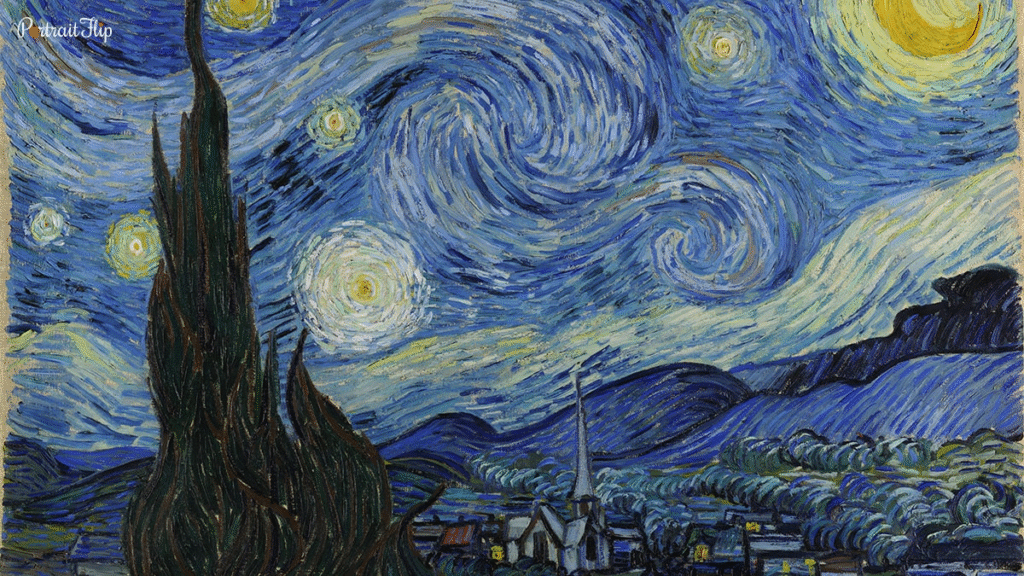
A great brand identity should feel sensory. Just like you can instantly recognize the smell of rain hitting warm dirt, the sound of leaves rustling in a autumn wind, or the rough feel of handmade paper, your brand should have a distinct, recognizable texture across every single touchpoint.
Visual Warmth and Speech Rhythm
Avoid the clinical, copy-paste visual templates that make so many modern tech companies look identical.
- Tactile Design Choice: Use visual elements that carry warmth—earthy tones, subtle hand-drawn illustrations, natural textures, and real, candid photography that catches genuine human emotion instead of forced stock-photo smiles.
- A Natural Cadence in Writing: Avoid robotic, stiff sentence structures. Mix it up. Use short, punchy statements. Follow them with longer, descriptive sentences that let the reader pause and digest the thought. Write with the natural rhythm of human speech.
Choose Consistent Daily Care Over Loud Hype
A young sapling doesn’t turn into a strong oak tree because you dumped fifty gallons of water on it all at once on a Tuesday. It grows through small, steady doses of sunlight, clean rain, and rich soil day after day, year after year.
A huge mistake young startups make is spending their entire budget and energy on a single, massive launch day—generating a quick wave of artificial buzz, only to go completely silent three months later when the budget dries up.
| Phase | The Flash-in-the-Pan Startup | The Organic, Enduring Brand |
| Launch Strategy | Heavy ad spend, manufactured hype | Targeted, personal outreach to true believers |
| Pacing | Loud bursts followed by radio silence | A steady, dependable drumbeat of real value |
| Core Focus | Short-term customer acquisition spikes | Deep long-term care and relationship building |
| Outcome | High churn, audience burnout | Compounding trust and organic word-of-mouth |
Reliability creates safety. When your audience learns that you will consistently show up with honest work, helpful thoughts, and solid products, trust compounds naturally over time.
The True Benchmark of Brand Health
As your startup grows and starts to scale, protect yourself against the corporate temptation to reduce real human relationships down to cold, unfeeling metrics on a dashboard. Conversion rates and customer lifetime values are useful operational tools, but they are results of brand health—not the source of it.
The true, deep vitality of your brand shows up in unmeasurable moments:
- The unsolicited email from a customer telling you how your software saved them three hours of stress so they could get home in time for dinner with their kids.
- The spontaneous, enthusiastic recommendations happening in private group chats and over weekend lunches.
- The genuine pride your team members feel when they tell their friends and family where they work.
FAQ’s
1. What is startup branding?
Startup branding is the process of creating a unique identity, message, and image for a new business.
2. Why is branding important for startups?
Strong branding helps startups build trust, attract customers, and stand out from competitors.
3. How can a startup build a strong brand in 2026?
Focus on a clear brand identity, consistent messaging, customer needs, and a strong digital presence.
4. What are the key elements of startup branding?
A memorable name, logo, colors, voice, values, and consistent customer experience are essential.
5. How can startups increase brand awareness?
Startups can use social media, content marketing, partnerships, SEO, and community engagement.