
There is a quiet, profound magic in the way a simple meal brings people back to themselves. Picture the earthy, comforting scent of damp earth after a sudden summer downpour, the sharp and warming aroma of freshly crushed cardamom pods, or the rhythmic, bubbling simmer of a slow-cooked broth on a quiet Sunday. Food has never been a sterile spreadsheet equation or a mere calorie count; it is our most ancient, visceral anchor to culture, memory, and the natural world.
Yet, if you look closely at the commercial food and beverage landscape today, a massive cultural shift is taking place. People are growing exhausted by faceless, hyper-processed items wrapped in layers of plastic that taste like nothing and leave a heavy footprint on the planet. Human thinking is shifting sharply toward conscious consumption. We are craving transparency, clean ingredients, and a return to the roots of what true nourishment means.
If you have felt that steady, persistent pull to turn your culinary passion into a real, breathing enterprise, the year 2026 offers an incredible window of opportunity. Building a profitable food and beverage (F&B) business requires far more than a brilliant family recipe or a sleek social media page. It demands grit, structural clarity, and an authentic understanding of what modern human beings are searching for when they open their wallets and their mouths. This comprehensive guide will walk you through the structural steps, market realities, and human-first strategies required to build a thriving business from scratch.
Understanding the 2026 Food Consumer: What People Actually Want
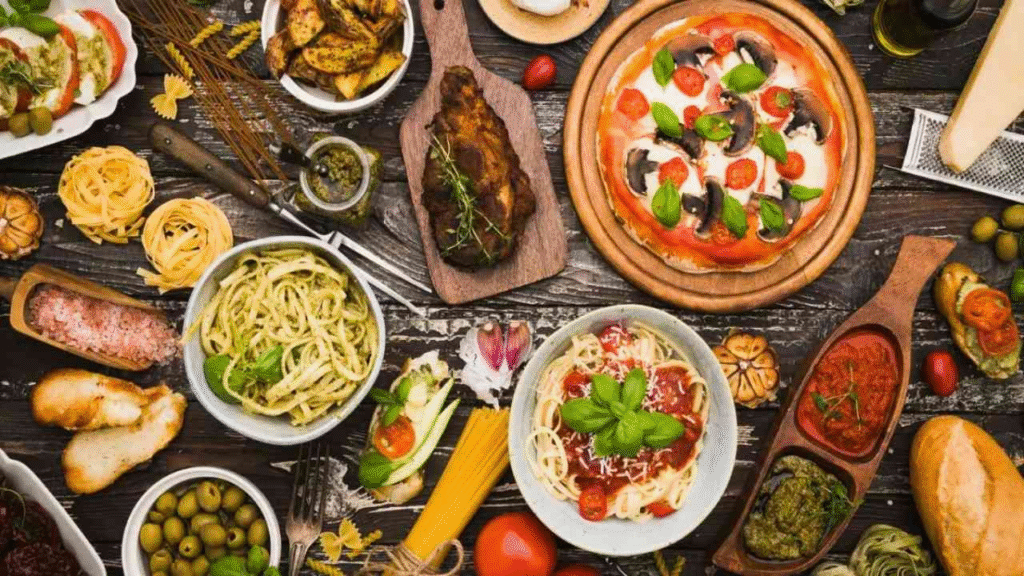
To build a brand that lasts, you have to look away from generic market research reports for a moment and tune into how everyday human beings are feeling. Modern buyers are hyper-aware, emotionally driven, and deeply protective of their health, time, and environment.
The Demand for Radical Sourcing Transparency
Consumers are no longer willing to blindly trust corporate marketing buzzwords on product labels. They want to trace their food back to its origins. They want to know which farming collective grew the grains, whether the labor was treated fairly, and if the packaging will safely decompose or choke local ecosystems. Clarity is no longer an optional perk; it is the baseline requirement for building brand trust.
The Shift Toward Functional Vitality and Gut Health
Physical wellness and mental clarity are tightly fused in the modern consciousness. People are actively stepping away from artificial chemical stimulants and gravitating toward functional foods, adaptogenic herbs, and natural ingredients that soothe the nervous system and promote deep, internal balance. Creators who understand how to weave wellness into everyday flavors are finding a very eager audience.
The Comfort of Elevated Nostalgia
In a world that feels increasingly fast-paced, digital, and overwhelming, people yearn for emotional grounding. They want the comforting flavors of their childhood, but crafted with clean, modern integrity—convenient, honest, and deeply comforting. Tapping into these sensory memories builds instant loyalty with buyers who are looking for an emotional sanctuary through what they eat and drink.
High-Potential F&B Startup Business Models for 2026
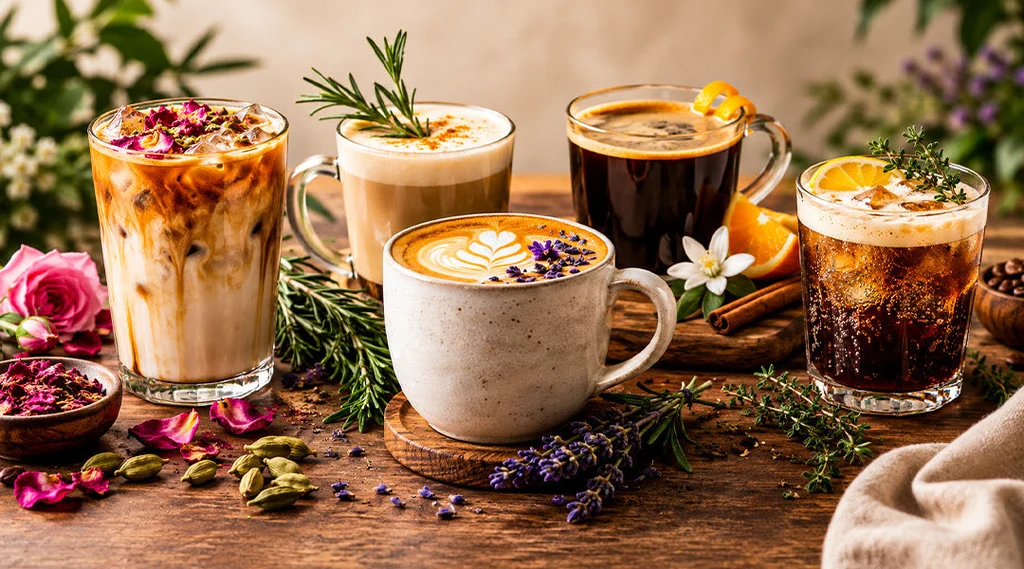
Finding a profitable niche means solving a genuine daily friction point while honoring authentic taste. Here are four viable business formats capturing the true pulse of the market:
Hyper-Local Heritage Snack Brands
The Core Concept: Step far away from generic potato chips fried in industrial seed oils. Instead, focus on reviving ancient grains, native millet crackers, or hand-rolled regional snacks made using cold-pressed oils, organic jaggery, and unrefined salts.
The Human Connection: Build direct partnerships with small farming collectives that practice regenerative agriculture. Let your packaging tell a vivid story about the soil, the seasonal harvest, and the artisan hands that shaped the product.
Botanical Infusions and Adaptogenic Coffee Alternatives
- The Core Concept: Capitalize on the massive cultural surge of people cutting back on heavy alcohol and excessive caffeine. Think sparkling herbal teas infused with real florals, ceremonial-grade match a blends, and functional mushroom coffees that provide clean, sustained energy without the harsh afternoon burnout.
- The Human Connection: Source your botanicals straight from organic growers. Market your products around slowing down—inviting your customers to build a mindful morning ritual that grounds them before the chaos of the day begins.
Botanical Infusions and Adaptogenic Coffee Alternatives
- The Core Concept: Busy urban professionals and the global diaspora deeply crave home-cooked food but lack the time to prep from scratch. Using advanced natural preservation techniques or fresh-freeze packaging, offer ready-to-heat regional stews, artisanal pickles, and heritage curry pastes.
- The Human Connection: Frame your brand around family heritage. Share the real stories of the home cooks and grandmothers whose kitchen notes inspired your recipes, bridging the physical distance between city life and home.
Specialized Niche Cloud Kitchens
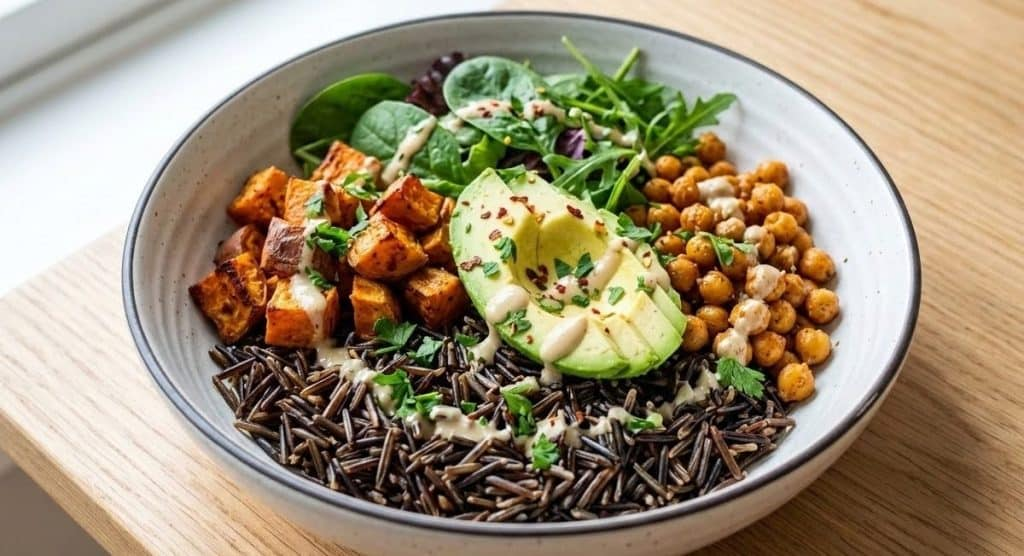
- The Core Concept: Set up a delivery-first kitchen focusing on a hyper-focused culinary identity—such as 100% plant-based organic coastal meals or gut-healthy breakfast bowls—saving heavily on expensive high-street real estate while plugging smoothly into local delivery networks.
- The Human Connection: Build deep trust through radical openness. Post weekly video logs showing your kitchen cleanliness, highlight the morning arrival of your fresh vegetable deliveries, and treat every customer message like a conversation with an invited dinner guest.
Blueprint to Starting Your F&B Enterprise
[Small-Batch Testing] ➔ [Clean Sourcing & Compliance] ➔ [Honest Storytelling] ➔ [Lean Launch & Scaling]
Turning a kitchen experiment into a profitable commercial enterprise requires a steady hand, strict discipline, and a logical sequence of execution.
Validate Your Recipe in the Wild
Never sink your life savings into a commercial production run before testing your product on real people. Take your small batches to local farmers’ markets, community pop-ups, or neighborhood gatherings. Watch people’s facial expressions when they take their first bite. Their unfiltered reactions will teach you more than any expensive focus group ever could. Listen closely to what they dislike as much as what they praise.
Secure Clean Sourcing and Legal Compliance
Get your food safety licenses, municipal permits, and registrations sorted out early. More importantly, audit your supply chain thoroughly. Ensure your ingredient suppliers share your commitment to chemical-free farming, fair labor practices, and sustainable packaging. Cutting corners on compliance or ingredient quality destroys long-term brand equity faster than anything else.
Craft an Honest Brand Story
In a crowded grocery aisle or a busy food delivery app, your brand’s soul is your only true differentiator. Do not hide behind sterile corporate jargon. Share your failures, your personal inspirations, and your unwavering commitment to quality over cheap manufacturing shortcuts. When customers see the human face behind the label, they stop viewing you as a transactional product and start supporting your mission.
Launch Lean and Scale Smart
Start with a restricted menu or a tight, focused product line. Master those few items completely before thinking about expanding. Utilize direct-to-consumer websites, local delivery apps, and community-driven social media channels to build organic momentum without burning through capital on wasteful ads. Organic word-of-mouth remains the most powerful growth engine in the entire culinary industry.
Overcoming Common Hurdles in the Modern Food Economy
Building an F&B business comes with its own unique set of operational challenges that will test your patience and adaptability.
Managing Inventory Spoilage and Shelf Life
Fresh, wholesome ingredients naturally have a shorter lifespan. Perfecting your inventory forecasting prevents food waste and protects your profit margins. Whenever possible, work with local suppliers for smaller, frequent deliveries rather than hoarding massive stockpiles of perishable goods that risk going bad.
Standing Out in a Crowded Digital Market
With thousands of new food brands launching online every month, shouting louder simply does not work. Instead, whisper something deeply meaningful. Focus on community building, hosting intimate tasting workshops, or collaborating with local creators who share your reverence for nature and wholesome food.
FAQ’s
1. How do I start a food and beverage business in 2026?
Start by choosing a clear business idea, researching your target customers, creating a business plan, calculating costs, completing required registrations, and planning your marketing strategy.
2. What are some profitable food and beverage business ideas?
Cloud kitchens, cafés, food trucks, packaged foods, healthy snacks, beverages, catering, and specialty food brands are popular options to explore.
3. How much money is needed to start a food business?
The investment depends on the business model, location, equipment, staff, ingredients, licenses, packaging, and marketing requirements.
4. Do I need a license to start a food business?
Yes. Food businesses generally need to follow applicable food-safety, business-registration, tax, and local regulatory requirements.
5. How can I attract customers to a new food business?
Use social media, local marketing, attractive branding, customer reviews, introductory offers, and consistent food quality to build awareness.