
Starting a new business is exciting, but one of the biggest decisions you’ll face early on is how to finance it. Most entrepreneurs end up choosing between two paths: bootstrapping or raising external funding. Both can lead to successful companies, but the right choice depends on your goals, your risk appetite, and the kind of business you want to build.
Below is a clear breakdown to help you decide.
What Is Bootstrapping?
Bootstrapping means building your business with your own savings or reinvesting profits, instead of taking money from investors or banks. You stay in full control and grow at your own pace.
Benefits of Bootstrapping
- Full ownership: No dilution, no investor pressure.
- Freedom to make decisions: You can pivot anytime without approval.
- Focus on revenue: Bootstrapped founders tend to build sustainable businesses.
- Low financial risk: You avoid debt and interest payments.
Challenges of Bootstrapping
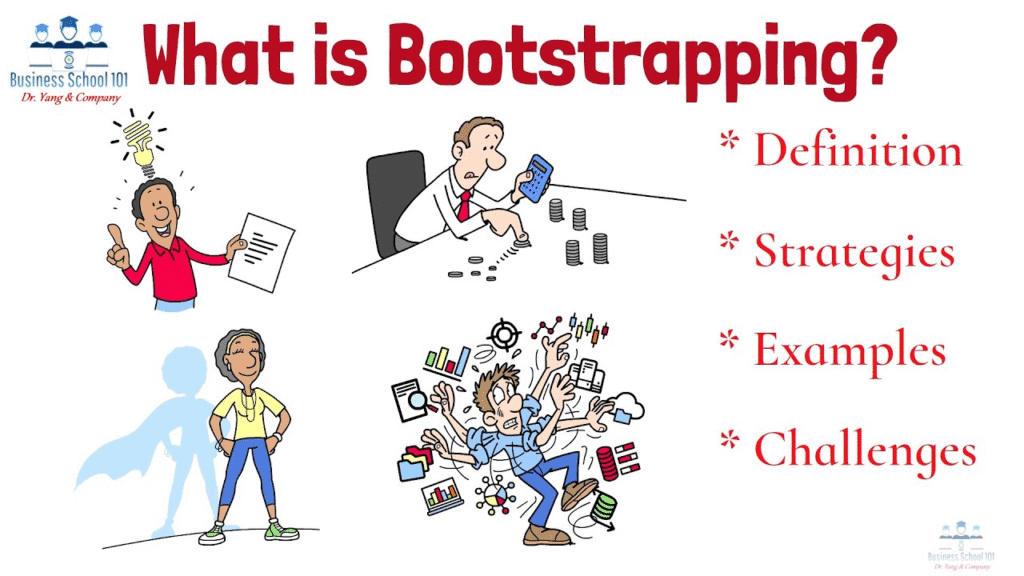
- Limited resources: Growth is usually slower.
- Cash flow pressure: Every expense matters in the early stage.
- High personal risk: You’re mostly depending on your own savings.
What Is Funding?
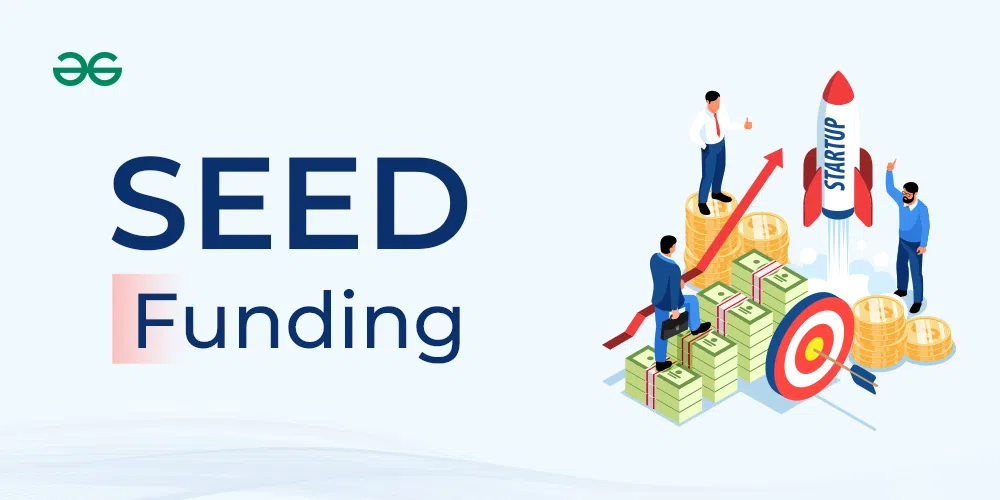
Funding means raising capital from angel investors, venture capitalists, government grants, or startup accelerators. This gives you financial fuel to grow quickly.
Benefits of Funding
- Faster growth: You can hire talent, build products, and scale quickly.
- Expert guidance: Investors often bring industry experience and connections.
- Market advantage: More resources mean faster experimentation.
Challenges of Funding
- Loss of ownership: You trade equity for capital.
- Pressure to perform: Investors expect fast returns and growth.
- Not suitable for all businesses: Some ideas don’t need large investments.
Bootstrapping vs. Funding: Key Differences
| Factor | Bootstrapping | Funding |
|---|---|---|
| Ownership | 100% yours | Shared with investors |
| Speed of Growth | Slow to moderate | Fast and aggressive |
| Control | High | Medium to low |
| Risk | Personal financial risk | Business performance risk |
| Best For | Small businesses, service-based startups, sustainable growth | Tech startups, high-growth ideas, scalable models |
Which One Should You Choose?
Choose Bootstrapping If:
- Your business can start small and grow steadily.
- You want full control.
- Your costs are low in the beginning.
- You prefer building a long-term, profitable company.
Choose Funding If:
- Your idea needs heavy investment (tech, manufacturing, AI, SaaS).
- You want to scale quickly.
- You’re ready for investor expectations and rapid targets.
- You have a strong business model with high market potential.
Final Thoughts
There’s no right or wrong choice. Bootstrapping gives you independence and stability, while funding gives you speed and power. The key is to understand your business model, your financial comfort, and your long-term goals.
Most successful companies actually begin with bootstrapping, then raise funding later when they’re stable. So you can choose a mix of both depending on what works for you.
StartupLife #EntrepreneurMindset #Bootstrapping #StartupFunding #Entrepreneurship #SmallBusinessTips #BusinessGrowth #StartupJourney #FoundersLife #BusinessStrategy #VentureCapital #AngelInvesting #Carrerbook #Anslaton