
Every successful business begins with an idea, but only a memorable brand leaves a lasting impression. In 2026, customers have more choices than ever before. They scroll through hundreds of products, websites, and advertisements every single day. In such a crowded world, simply offering a good product is no longer enough. Building a Strong Brand Identity has become one of the most important steps for businesses that want to connect with the right audience and earn lasting trust. A strong brand identity becomes the bridge that connects a business with the people it wants to serve.
Think about a healthy tree standing firmly through changing seasons. Its branches grow wide because its roots are deep and strong. A brand works in much the same way. A beautiful logo or attractive website may catch attention for a moment, but a meaningful identity creates trust that grows year after year. People remember how a brand makes them feel, just as they remember the peaceful sound of birds in the morning or the gentle breeze flowing through a green forest.
Building a Strong Brand Identity is not about pretending to be something you are not. It is about discovering your true purpose, expressing it clearly, and consistently showing customers what your business stands for. When your identity reflects honesty and value, customers naturally begin to trust you, creating relationships that continue to grow like a flourishing garden through every season.
Understanding What Brand Identity Really Means
Brand identity is the complete personality of your business. It includes your visual style, your voice, your values, and the experience customers have whenever they interact with your company. It is the reason people recognize your business even before they see your name.
Imagine walking through a colorful garden. Every flower has its own shape, color, and fragrance. Although they all grow in the same place, each one has a unique identity. Businesses work the same way. Even when many companies sell similar products, the ones with a clear personality stand apart.
A strong brand identity combines design, communication, customer service, storytelling, and consistency. It tells customers who you are, why you exist, and why they should choose you over countless alternatives.
Discovering Your Brand Purpose
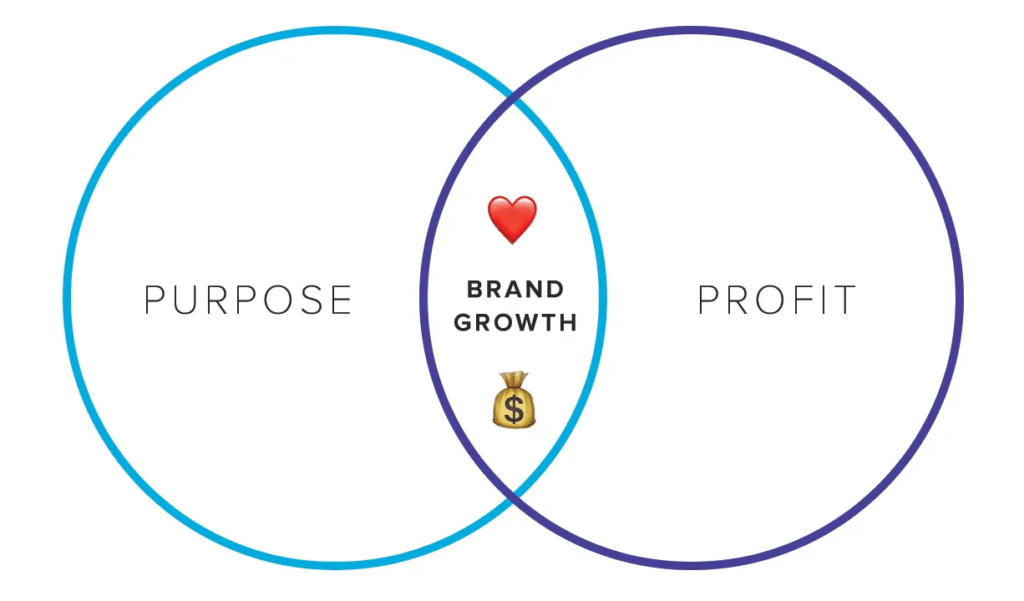
Every great brand begins with a meaningful purpose. Before designing a logo or choosing colors, ask yourself why your business exists. What problem are you solving? What positive difference do you want to make in people’s lives?
Customers today appreciate businesses that have genuine values. They enjoy supporting companies that care about quality, honesty, sustainability, innovation, or community. Your purpose should feel natural rather than forced. People can easily recognize authenticity.
When your purpose becomes clear, every decision becomes easier. Your marketing, customer service, content, and product development all begin moving in the same direction, just like a river finding its natural path toward the sea.
Knowing Your Audience Deeply
Building a strong brand identity means understanding the people you want to serve. Instead of trying to attract everyone, focus on the customers who truly need your products or services.
Think about their daily challenges, dreams, interests, and expectations. Imagine having a friendly conversation with them rather than trying to sell something immediately. The more you understand your audience, the more naturally your message will connect.
In 2026, customers appreciate businesses that listen. Reading reviews, responding to comments, conducting surveys, and paying attention to customer feedback help create stronger relationships. Listening carefully often reveals opportunities that competitors overlook.
When customers feel understood, they are much more likely to become loyal supporters of your brand.
Creating a Memorable Visual Identity
A visual identity creates the first impression of your brand. It includes your logo, typography, colors, images, website design, packaging, and every visual element customers encounter.
Nature offers a wonderful lesson here. Every sunrise paints the sky with colors that feel calm, warm, and unforgettable. Similarly, your brand colors should create a consistent emotional feeling whenever someone sees them.
Choose colors that represent your personality. Select fonts that match your style. Keep your design clean, professional, and easy to recognize. Simplicity often creates stronger memories than complicated designs.
Your visual identity should remain consistent across your website, social media, business cards, email signatures, advertisements, and printed materials. Consistency builds familiarity, and familiarity builds trust.
Finding Your Brand Voice
Words shape how people experience your business. Your brand voice should sound like a real person rather than a corporate machine.
Whether your communication is friendly, professional, educational, inspiring, or conversational, maintain the same tone across every platform. Customers appreciate brands that feel human.
Imagine talking with a trusted friend while walking through a peaceful park. The conversation feels honest, comfortable, and natural. Your content should create that same feeling.
Avoid unnecessary jargon. Speak clearly. Share useful information. Show empathy. Celebrate customer success. These small details create meaningful emotional connections.
Building Trust Through Consistency

Trust does not appear overnight. It grows slowly, much like a small seed becoming a strong tree through patience and care.
Customers notice consistency. They remember businesses that deliver the same quality every time. Whether someone visits your website, reads a blog, contacts customer support, or receives a product, the experience should feel familiar and dependable.
Consistency also applies to your promises. Never promise what you cannot deliver. Honest communication builds stronger relationships than exaggerated marketing claims.
In today’s digital world, trust is often the most valuable asset a business can earn.
Telling Stories That People Remember
Facts explain products, but stories create emotional connections. Every brand has a journey worth sharing.
Perhaps your business began with a personal challenge. Maybe you wanted to improve people’s lives or solve a problem you experienced yourself. These genuine stories make your brand feel relatable.
Think about sitting beside a quiet lake while listening to someone share a meaningful life experience. You remember the emotions far longer than the individual facts. Customers respond to brands in much the same way.
Share customer success stories, behind-the-scenes moments, lessons learned, and the passion that drives your work. Authentic storytelling makes your brand feel alive.
Building Your Online Presence in 2026

Your digital presence is often the first place customers discover your business. A professional website, active social media profiles, valuable blog content, and helpful customer support all contribute to your identity.
Search engines continue rewarding websites that provide useful, original, and trustworthy content. Instead of publishing content simply to increase traffic, focus on helping readers solve real problems.
Share educational articles, practical advice, case studies, and thoughtful insights. When people consistently learn something valuable from your content, they begin viewing your brand as a trusted resource.
Your online presence should reflect the same personality customers experience everywhere else.
Creating Emotional Connections
People rarely remember every feature of a product, but they often remember how it made them feel.
Small moments matter. A thoughtful thank-you message, fast customer support, honest recommendations, and genuine appreciation all strengthen emotional relationships.
Like flowers blooming after gentle rainfall, customer loyalty grows when people feel respected and valued. Businesses that focus only on sales often struggle to build lasting relationships, while brands that prioritize people create communities that continue growing.
Emotional connections encourage repeat customers, positive reviews, and word-of-mouth recommendations.
Adapting Without Losing Your Identity
The business world changes quickly. Technology evolves, customer expectations shift, and market trends continue developing. Successful brands adapt while staying true to their core values.
Imagine a tall tree bending gently during strong winds. It survives because it remains flexible without losing its roots.
Review your branding regularly. Update your website, refresh your visuals when necessary, improve customer experiences, and embrace new technology. However, never abandon the values that made customers trust you in the first place.
Growth should strengthen your identity rather than replace it.