
The dream of building a successful business often begins with a simple idea. It may come during a morning walk, a conversation with friends, or while noticing a problem that people face every day. Every well-known company started as a small idea that someone believed was worth pursuing. Turning that idea into a real business, however, requires planning, patience, and a willingness to learn along the way. Every Startup Essential begins with a clear vision, thoughtful preparation, and the determination to transform an idea into a meaningful business.
Launching a startup in 2026 offers more opportunities than ever before. Digital technology, online marketing, remote work, and global communication have made it easier for entrepreneurs to reach customers without needing a large budget. At the same time, competition has become stronger, making preparation more important than ever.
This guide explores every Startup Essential that entrepreneurs should understand before launching a business. Whether you are creating an online store, a software company, a consulting business, or a local service, these practical insights will help you build a stronger foundation for long-term success and sustainable growth.
Understanding Your Business Idea

Every successful startup begins with solving a real problem. Instead of asking what product you want to sell, ask what challenge your customers face. Businesses that solve meaningful problems often grow faster because customers naturally appreciate useful solutions.
Take time to research your industry before investing money. Learn about existing competitors, customer expectations, pricing, and market trends. Sometimes your idea already exists, but that does not mean you should give up. Instead, think about how you can improve the customer experience, offer better service, or create something more affordable.
The strongest business ideas are usually simple, practical, and valuable rather than overly complicated. Focus on helping people in a better way instead of trying to reinvent everything.
Researching Your Target Market
Understanding your audience is one of the most important startup essentials. A product designed for everyone usually connects with no one. Knowing exactly who your customers are allows you to create products and marketing that feel relevant.
Consider the age, interests, profession, income level, and lifestyle of your ideal customer. Think about what motivates them to buy and what concerns might stop them from making a purchase.
Market research does not always require expensive reports. Reading customer reviews, participating in online communities, conducting surveys, and speaking directly with potential customers can reveal valuable insights that shape your business decisions.
The more clearly you understand your audience, the easier it becomes to develop products that genuinely meet their needs.
Creating a Practical Business Plan
A business plan is more than a document for investors. It serves as a roadmap that keeps your business focused during both exciting opportunities and difficult moments.
Your business plan should explain what your company offers, who your customers are, how you will generate revenue, what expenses you expect, and what goals you hope to achieve over the next few years.
While plans will naturally evolve as your business grows, having clear direction helps reduce uncertainty. It also encourages smarter financial decisions and keeps your efforts aligned with your long-term vision.
Many entrepreneurs discover that writing down their ideas reveals both strengths and weaknesses before significant investments are made.
Managing Startup Finances Wisely
Financial management often determines whether a startup survives its early years. Even promising businesses can struggle if expenses grow faster than income.
Start by estimating your startup costs carefully. Include equipment, software, marketing, legal registration, office expenses, inventory, and emergency funds. Many entrepreneurs underestimate these costs during the planning stage.
Separate personal and business finances from the beginning. Maintaining organized financial records simplifies tax preparation, budgeting, and future investment opportunities.
Focus on spending money where it creates real value. Investing in customer experience, quality products, and reliable technology usually provides stronger long-term returns than unnecessary luxury expenses.
Healthy cash flow is often more important than rapid growth during the early stages of a business.
Building a Strong Brand Identity
Your brand is much more than a logo or company name. It represents how customers feel whenever they interact with your business.
Think about the personality you want your business to express. Some brands focus on innovation, while others emphasize trust, affordability, creativity, or exceptional customer service.
Consistency builds recognition. Your website, social media, emails, packaging, and customer communication should all reflect the same tone and values.
People often remember businesses that create positive experiences rather than simply offering products. A trustworthy reputation grows gradually through honesty, reliability, and genuine customer care.
Creating an Online Presence

In today’s digital world, customers usually discover businesses online before making a purchase. A professional online presence helps establish credibility from the beginning.
Create a website that clearly explains your products or services, pricing, contact information, and company story. Visitors should quickly understand what you offer and why they should choose your business.
Social media platforms also provide valuable opportunities to connect with customers. Rather than posting constantly, focus on sharing useful content that educates, entertains, or solves problems.
Search engine optimization can also improve your visibility by helping potential customers discover your website through search engines. Publishing informative articles, answering common questions, and using relevant keywords naturally can increase long-term traffic.
Developing Products That Customers Love
Great products are rarely perfect on the first attempt. Most successful startups improve through customer feedback and continuous refinement.
Instead of spending years creating a perfect product, launch a practical version that solves the primary problem. Listen carefully to customer suggestions and make improvements over time.
Customer feedback should never be viewed as criticism. It is one of the most valuable resources available because it reveals what people genuinely want.
Businesses that adapt quickly often outperform competitors that refuse to change.
Building the Right Team
Every entrepreneur eventually reaches a stage where additional support becomes necessary. Hiring the right people can significantly influence business growth.
Look for individuals who not only possess technical skills but also share your company’s values and commitment to serving customers.
Clear communication, mutual respect, and shared goals create stronger workplace relationships. Employees who feel appreciated are more likely to contribute creative ideas and remain committed during challenging periods.
Even if your startup begins with only a small team, building a positive culture early creates lasting benefits.
Marketing Your Startup Effectively
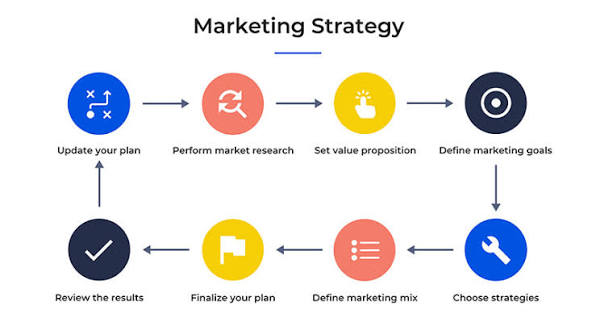
Marketing is the bridge between your business and your customers. Even an outstanding product requires visibility before people can appreciate its value.
Content marketing allows businesses to educate audiences while building trust. Helpful articles, videos, guides, and tutorials often attract customers naturally over time.
Email marketing remains one of the most effective ways to maintain relationships with existing customers. Personalized communication encourages repeat purchases and strengthens loyalty.
Paid advertising can generate faster visibility, but sustainable growth usually combines advertising with valuable content, search engine optimization, and genuine customer engagement.
Consistency often produces better results than occasional bursts of promotional activity.
Preparing for Challenges
Every startup faces unexpected obstacles. Economic changes, evolving customer preferences, stronger competition, and operational setbacks are all part of entrepreneurship.
Successful founders accept that challenges are unavoidable. Instead of becoming discouraged, they view difficulties as opportunities to improve systems, products, and decision-making.
Flexibility is one of the greatest strengths a startup can develop. Businesses that adapt quickly often discover new opportunities hidden within changing markets.
Maintaining a positive mindset while continuing to learn helps entrepreneurs navigate uncertainty with greater confidence.
Focusing on Long-Term Growth
Launching a startup is only the beginning of the journey. Sustainable businesses grow through continuous improvement rather than chasing quick success.
Continue learning about your industry, listening to customers, monitoring competitors, and refining your products. Technology, customer expectations, and market trends will continue changing, making adaptability essential.
Celebrate small achievements while keeping your larger vision in mind. Every satisfied customer, completed project, and valuable lesson contributes to the future strength of your business.
Long-term success is built through consistent effort, thoughtful planning, and genuine commitment to delivering value.