
There is a quiet, profound shift happening right now in how we gather around the kitchen table, open our refrigerators, and reach for a mid-afternoon drink. For years, the global food and beverage industry operated like a cold, relentless assembly line obsessed with speed, neon artificial colors, chemical shelf-life extensions, and industrial shortcuts. We were sold convenience wrapped in thick plastic and hyper-processed ingredients engineered in sterile laboratories to hijack our taste buds and trick our brains.
But human beings are waking up. We are tired of the constant noise, the synthetic aftertastes, and the inner cognitive dissonance of consuming things we cannot even pronounce.
As we navigate through 2026, our collective appetite is changing at a fundamental, visceral level. People are asking a much deeper question before they put anything into their shopping carts: What is this actually doing to my body, my mental peace, and the earth beneath our feet?
Let’s wander through the fields, local kitchens, and marketplaces to explore the dominant food and beverage trends shaping our world right now—not just as dry market data points on a corporate spreadsheet, but as living, breathing human habits.
The Great “Anti-Fake” Reset: Craving Clean Labels and Real Origins

Walk down any grocery aisle today, and you will notice a collective, deeply felt sigh of relief echoing away from the overwhelming clutter of ultra-processed goods. For decades, shoppers were lulled into complacency by flashy, brightly colored packaging and convenient promises whispered by corporate marketing departments. But something in the collective human consciousness has fundamentally fractured and reformed. Consumers everywhere are experiencing a profound, bone-deep fatigue of long, unpronounceable ingredient lists packed with synthetic stabilizers, hidden petrochemical dyes, and laboratory-crafted preservatives designed strictly to extend shelf life rather than human vitality.
When you pick up a box or a bottle and find yourself stumbling over multi-syllabic chemical compounds that sound more like high school chemistry class than actual food, a quiet wave of skepticism takes over. We are asking ourselves why our daily nourishment requires an instruction manual to decode. This widespread disillusionment has sparked a grassroots revolution across local marketplaces and home kitchens alike. People are actively turning away from foods engineered in sterile labs to hijack our reward pathways, choosing instead the quiet, honest comfort of food that looks, smells, and tastes like it came directly from the soil. It is an intuitive, emotional rejection of the artificial—a return to a time when nourishment was straightforward, transparent, and trusted.
Reconnecting with What We Can Pronounce
We are experiencing a profound return to trust. People want to look at a package and instantly recognize every single component—real churned butter, raw local honey, ancient whole grains, and simple garden spices. It’s an instinctive, emotional rejection of the artificial.
Transparency Straight Back to the Soil
Brands are racing to strip away the clutter, leaning heavily into transparency, single-origin sourcing, and honest farming practices. Shoppers want to know which region grew their coffee beans, who harvested their vanilla, and how the soil was treated. The new luxury isn’t flashy packaging or corporate marketing buzzwords; it is radical simplicity and purity you can trace straight back to the soil.
Beverages with Purpose: When Drinks Become Botanical Medicine
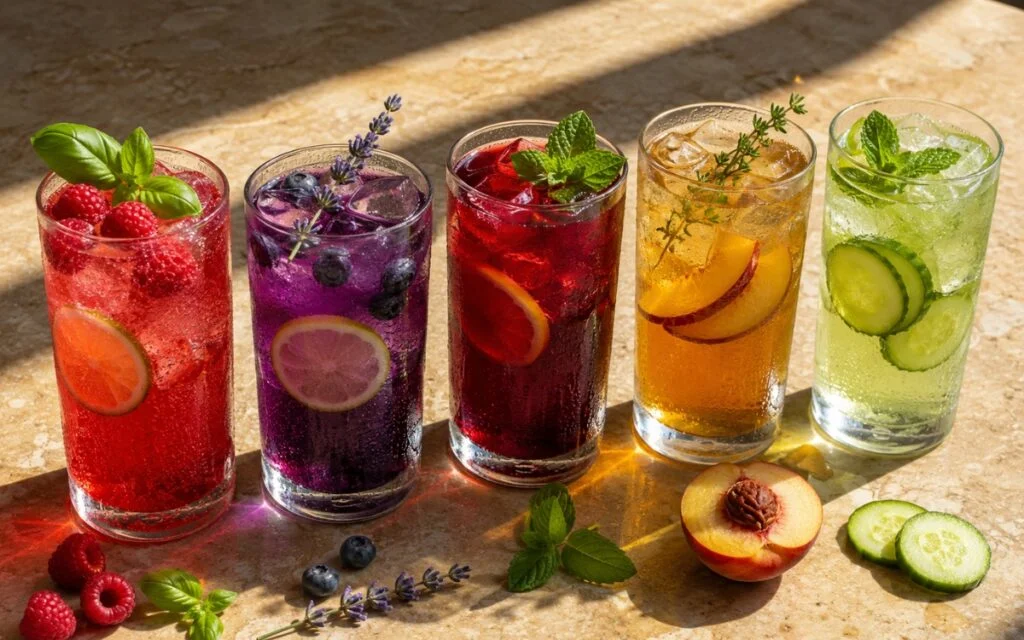
The days of mindless soda-drinking just to quench a sugary thirst are fading fast into the background of our collective memory. Today’s beverage market has transformed into a vibrant, living apothecary, where what we pour into our glasses is expected to actively support our physical vitality and mental clarity. In a world that feels overwhelmingly loud, fast, and digitally saturated, our daily drink has become our liquid sanctuary. People are steering away from heavy, alcohol-fueled socializing and sharp sugar crashes, reaching instead for beverages infused with ancient herbs, restorative adaptogens, and gentle botanicals. When you crack open a can of prebiotic soda, sip an adaptogenic lemonade laced with sacred basil and ashwagandha, or enjoy a functional coffee blended with earthy lion’s mane mushrooms, you are engaging in a quiet ritual of self-care. We want our daily elixirs to work for our bodies—nourishing our delicate gut microbiomes, stabilizing our moods, and lifting our mental fog naturally without synthetic interference. It is a beautiful merging of ancient herbal wisdom and modern mindful living, turning a simple refreshment break into a moment of genuine healing. This shift proves that humanity is craving beverages that not only taste refreshing on a warm afternoon, but also restore the delicate balance of our mind and body.
Nurturing a Stressed Nervous System
We live in a chronically stressed, fast-paced world, and our nervous systems are constantly asking for a timeout. People are turning away from heavy, alcohol-fueled socializing or sharp sugar crashes, looking instead for drinks that offer a functional purpose—whether that means sustained, clean energy, nervous system calm, or deep digestive harmony.
The Rise of Botanical Elixirs
Prebiotic sodas, adaptogenic lemonades infused with ashwagandha or sacred basil, functional coffee blends laced with mushrooms, and sophisticated botanical mocktails are dominating restaurant menus and refrigerator doors. We want our daily drinks to work for our bodies, nurturing our gut microbiomes and lifting our moods naturally without artificial interference.
The Fiber Frenzy and Gut Health: Listening to Our Internal Ecosystem
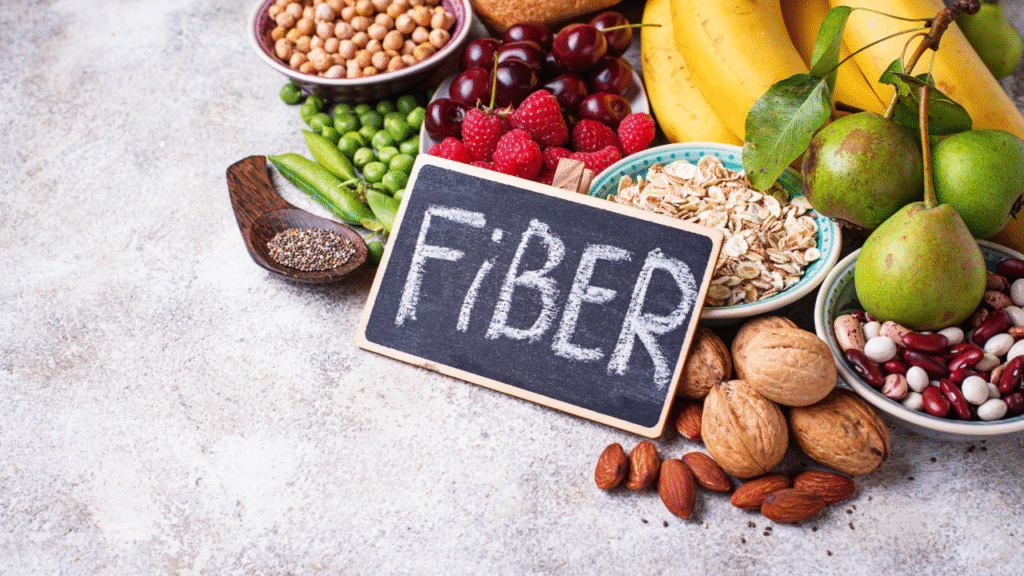
For a long time, protein reigned supreme as the undisputed king of nutritional marketing, plastered across every fitness label and snack bar. But a quieter, vastly more foundational hero has firmly taken center stage: gut health and dietary fiber. People are finally waking up to the biological reality that our digestive tract is essentially our second brain. When our inner ecosystem feels sluggish or out of balance, our entire mood and energy level plummet. This realization has sparked a powerful movement toward foods that respect our internal landscape. We are choosing to nourish our microbiomes with natural fibers, prebiotics, and fermented staples. It is about cultivating internal harmony and a deep sense of well-being from the ground up.
The Second Brain Connection
People are finally realizing that our digestive tract is essentially our second brain. When our gut feels sluggish, inflamed, or out of balance, our entire mood, daily energy level, and immune defense suffer. There is a collective human desire to feel light, clear, and internally balanced.
Nourishing the Microbiome Naturally
Formulators are weaving natural fibers, prebiotics, and stable probiotics into everything from everyday pantry staples to ready-to-mix drinks and snacks. Ingredients like fermented foods, chicory root, chia seeds, flax, and ancient grains are winning consumer trust because people can literally feel the difference when their internal digestion is respected and nourished.
Sweetness With Purpose: Navigating Health-Conscious Indulgence

The global conversation around weight management, metabolic health food, and modern wellness lifestyles has fundamentally shifted how we view sweet treats and daily sugar intake. We still deeply love comfort and sweetness, which remains a timeless human desire for joy, community, and celebration. However, we no longer want that joy to come packaged with a heavy physical crash, brain fog, or synthetic chemical aftertastes. This has sparked a wonderful wave of creativity around natural, low-glycemic sweeteners like raw date syrup, monk fruit, and allulose. Bakers and food makers are now crafting health-indulgent treats that honor our sweet tooth without compromising our internal metabolism. Ultimately, we are proving that genuine pleasure and bodily wellness can peacefully coexist in the very same bite.
Honoring the Human Desire for Joy
We still love comfort and sweetness—that is a deeply wired human desire for joy, community, and celebration. However, we no longer want that joy to come packaged with a heavy physical crash, brain fog, or synthetic chemical aftertastes like the artificial sweeteners of the past.
Natural Sweeteners Taking Center Stage
Innovation is thriving around natural, low-glycemic sweeteners like raw date syrup, monk fruit, and allulose. Bakers and beverage makers are crafting “health-indulgent” treats that honor our sweet tooth without compromising our metabolic health, proving that genuine pleasure and bodily wellness can peacefully coexist in the very same bite.
Authentic Plant-Based Eating: Moving Beyond the “Fake Meat” Era
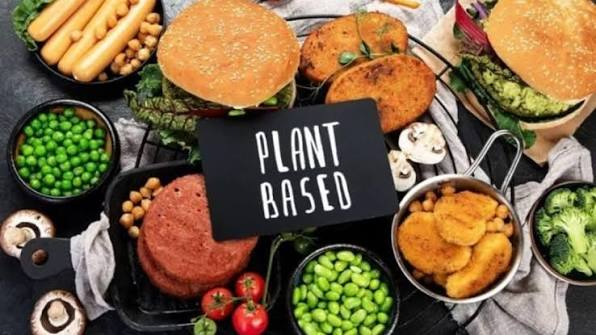
The plant-based food movement has matured immensely over the past few years, shifting away from heavily processed laboratory attempts to mimic animal meat. Consumers are no longer interested in eating foods designed in factories to trick their brains into thinking they are eating something else. Instead, people are looking for plant-based options that stand proudly on their own natural, wholesome nutritional merits. We crave real vegetables, roots, and legumes that taste like themselves rather than engineered facsimiles filled with questionable additives. The spotlight has shifted warmly to whole-food plant sources like lentils, chickpeas, hemp, and ancient grains that offer complete, earth-given benefits. Ultimately, this movement celebrates vegetables and seeds for what they naturally are, bringing an authentic and grounded honesty straight back to our plates.
Stepping Away from Laboratory Imitations
Consumers are no longer interested in eating foods designed to trick their brains into thinking they are eating something else. Instead, people are looking for plant-based options that stand proudly on their own nutritional merits.
Celebrating Whole-Food Plant Roots
The spotlight has shifted to whole-food plant sources like lentils, chickpeas, hemp, and ancient grains that offer natural, complete nutritional benefits. It’s about celebrating vegetables, roots, and seeds for what they naturally are rather than forcing them to imitate a steak.
Conscious Sourcing and Earth-Friendly Economics
Climate anxiety and ecological awareness are no longer fringe ideologies; they sit right at the center of how modern consumers make everyday purchasing decisions.
An Intimate Connection to Nature
People feel an intimate, emotional connection to the earth’s natural rhythms, and that connection makes it painful to support systems that exploit land, waste water, or generate reckless plastic pollution. We want our food choices to leave a light, healing footprint on the landscape.
Upcycled Ingredients and Minimal Footprints
Upcycled ingredients (turning food waste from juicing or brewing into nutrient-dense flours and snacks), compostable packaging, and transparent carbon-footprint labeling are rapidly shifting from optional perks to baseline market expectations. Brands that honor the soil are earning the fiercest, most enduring loyalty from modern consumers.
FAQ’s
1. What are the major food and beverage trends in 2026?
Key trends include changing consumer preferences, healthier choices, convenient foods, sustainability, and product innovation.
2. Why are food and beverage trends important for businesses?
They help businesses understand changing customer preferences and identify opportunities for new products and services.
3. What food trends are becoming popular in 2026?
Health-focused foods, convenient options, sustainable products, and innovative food experiences are gaining attention.
4. How is technology changing the food and beverage industry?
Technology is supporting food production, delivery, personalization, retail experiences, and supply-chain management.
5. Is sustainability important in the food market?
Yes. Sustainability is influencing packaging, sourcing, production practices, and consumer expectations.