
If you close your eyes right now, take a deep, slow breath of crisp morning air, and think back to the last time you truly felt away from the crushing weight of daily life, what do you picture? For the longest time, modern travel looked like an airport security line at dawn, a frantic rush to check off twenty different historical monuments in three exhausted days, and a camera lens held firmly between our eyes and the actual world. We treated holidays like extended corporate projects—fully optimized, aggressively scheduled, and entirely exhausting to unpack from when we finally dragged our suitcases back home.
We were trying to outrun our own deep-seated burnout by chasing stamps in a passport, confusing frantic motion with actual emotional movement. But as we move deeper into 2026, a profound and beautiful shift is rippling through the global travel community. People are waking up to the quiet reality that a vacation shouldn’t leave you needing another vacation just to recover from it.
Today, travelers are trading the frantic checklist culture for something vastly deeper, quieter, and more deeply tied to the natural rhythms of the earth. Here are the defining tourism trends shaping the way we explore our world this year, written for human hearts rather than cold algorithms.
The Rise of Slow Travel and Unhurried Itineraries
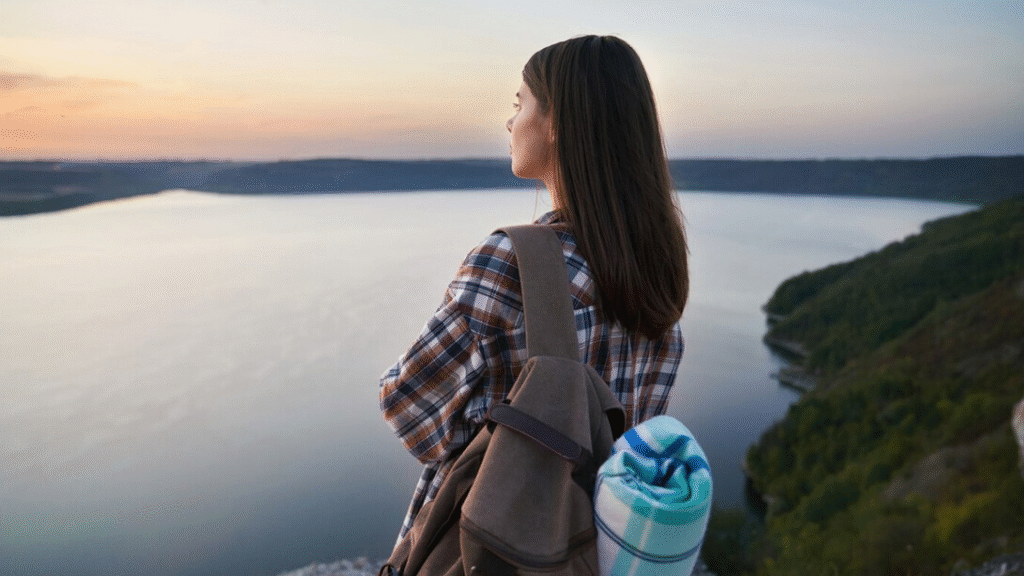
The biggest narrative in contemporary tourism is the quiet, much-needed death of the whirlwind trip. Travelers are finally realizing that trying to see five different countries in ten days results in seeing nothing at all except the stale air of train stations, airport terminals, and interchangeable hotel lobbies.
Fewer Destinations, Deeper Roots
Instead of racing across continents like modern nomads on a tight corporate schedule, explorers are choosing a single region, a quiet valley, or a remote coastal village and staying firmly put. They are renting small, weathered stone cottages, learning the names of local bakery owners, and letting the landscape unfold at its own natural, unbothered pace.
Moving with the Land
This unhurried mindset naturally favors lower-impact movement. Walking trails, winding cycling paths, and scenic, clickety-clack train rides are replacing rushed domestic flights. When you walk through a dense forest or pedal past open, wind-swept fields rather than whizzing by in an air-conditioned tour bus, the journey itself transforms into a moving meditation. Your mind settles down, your breathing syncs with the earth, and you remember what it feels like to simply be present.
Anti-Tourism: Escaping the Crowds for Quiet Horizons
We have all seen the viral photos of overcrowded European streets, bumper-to-bumper coastal highways, and jammed mountain peaks where tourists outnumber the local wildlife. In response, a massive, grassroots counter-movement known as “anti-tourism” has taken center stage in 2026.
Finding Sanctuary in Secondary Cities
Travelers are actively turning their backs on saturated global hotspots and seeking out secondary cities, hidden mountain hamlets, and untouched rural landscapes. They want space to breathe without bumping elbows with strangers every two steps.
Protecting Fragile Ecosystems
This shift isn’t just about avoiding annoying crowds; it is born out of a deep, collective ecological conscience. People are becoming acutely aware of their carbon footprint and the heavy, destructive toll that mass tourism takes on fragile local ecosystems. Choosing lesser-known destinations helps distribute economic support to small communities that genuinely welcome travelers, protecting the natural integrity of the earth while offering a much richer, more authentic human experience.
Altitude Shift: Mountains and Forests as Therapy
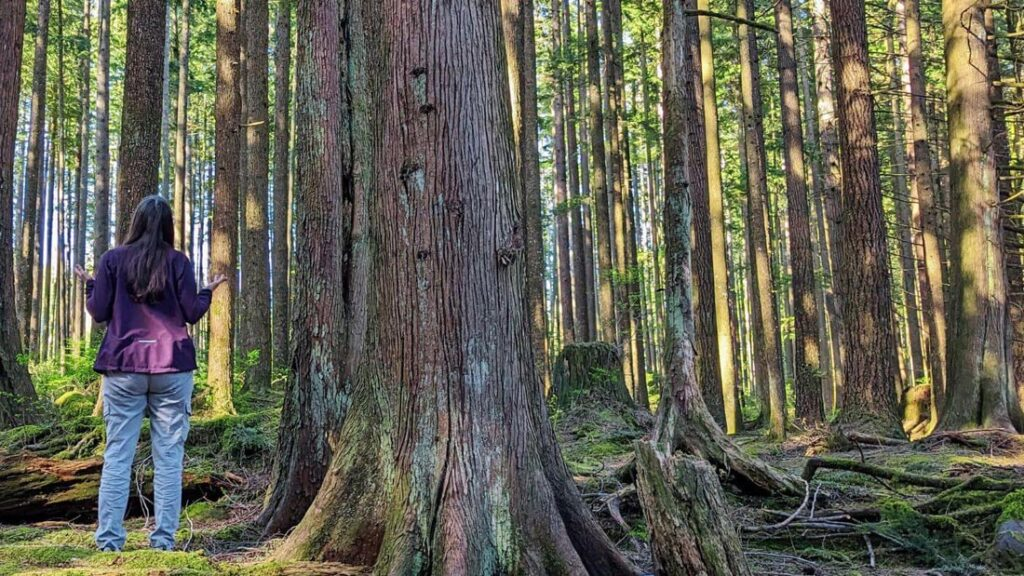
The classic beach resort package used to be the default cultural prescription for relaxation. But in 2026, an overwhelming percentage of travelers are packing heavy wool coats, sturdy boots, and walking sticks, heading straight for the high-altitude wilderness.
The Healing Power of the Canopy
Mountains are no longer viewed merely as cold weather sports destinations or ski resorts; they are treated as psychological sanatoriums. People are escaping to pine forests, misty river valleys, and rugged, stone-strewn peaks to disconnect from the relentless ping of digital notifications.
Silence as the Ultimate Luxury
There is a collective human hunger for quietude. Breathing in the crisp, resin-scented air of a high-altitude mountain trail, listening to the rushing sound of a hidden waterfall, and watching the sunrise break over a silent ridge offer a mental reset that no crowded, neon-lit city beach can ever replicate. It quiets the noise inside our heads.
Shelf Discovery: Eating Local, Real, and Raw
Food tourism has completely evolved over the past few years. Long gone are the days when travelers relied solely on heavily curated, Michelin-starred tourist traps to dictate their culinary adventures.
Exploring Through Local Markets
Today’s explorers want dirt-under-the-fingernails authenticity. They are wandering through foreign neighborhood supermarkets, buying fresh fruit from rugged roadside stalls, learning heritage recipes from village elders, and sitting down at unassuming local food counters where menus are written in a language they have to translate with gestures, laughter, and smiles.
Tying Taste to Territory
Every single bite is becoming a way to understand the geography and history of a place—from wild berries foraged on a damp morning hike to slow-simmered regional stews cooked over open wood fires. Food is no longer just fuel; it is the most intimate bridge connecting us to local culture and human tradition.
The “No-Think” Holiday: Handing Over the Reins

Ironically, even the process of planning a vacation had become an overwhelming chore in the digital age. With endless travel blogs, algorithm-generated recommendations, and dozens of booking tabs open simultaneously, travelers were burning out before their bags were even packed.
Relinquishing Control for Real Relaxation
In response, 2026 has seen a massive surge in the “no-think” holiday. People are happily handing their itineraries over to trusted local guides, boutique eco-lodges, and independent travel designers who understand the human soul rather than a search engine algorithm.
Trusting Human Expertise over Screens
While artificial intelligence can map out a generic route between tourist monuments, it cannot capture the living soul of a place. Travelers are leaning back on human intuition—trusting local experts who know which mountain pass is safe after a heavy spring rain, or which hidden forest cove is worth visiting at dusk. This allows visitors to completely let go of logistics and simply inhabit the present moment.
Wellness Travel Beyond the Spa
The definition of wellness travel has undergone a radical transformation. It is no longer restricted to indoor luxury hotel spas, cucumber water, and expensive, clinical massage treatments.
Movement Rooted in Nature
Modern wellness is active, grounding, and deeply experiential. Think guided wilderness treks through damp valleys, surfing pristine, windswept coastlines, practicing yoga on misty forest wooden decks, and participating in multi-day outdoor expeditions that challenge the physical body while clearing the mental fog.
Cultivating Mental Resilience
Travelers are looking for experiences that foster genuine mental longevity and emotional clarity. They want to return home not just physically rested, but fundamentally transformed by the quiet hours spent walking under ancient trees and sleeping under open, starlit skies.
Destination Check-In: When Hotels Become the Holiday
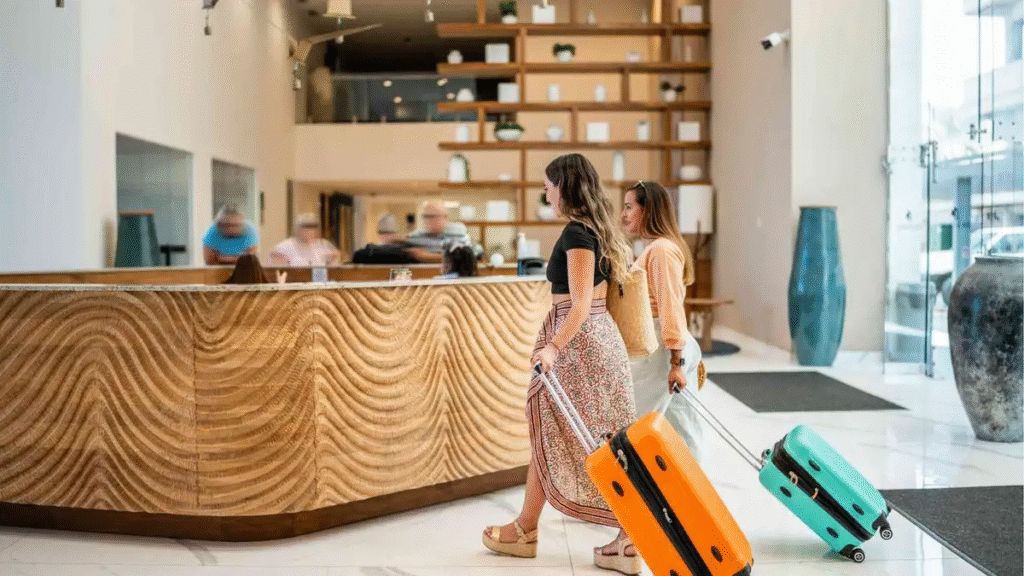
There was a time when accommodation was treated as an afterthought—simply a safe, sterile place to drop your luggage and sleep for a few hours before another frantic day of sightseeing.
The Stay is the Attraction
In 2026, the accommodation is the destination. Travelers are actively seeking out jungle pods, heritage havelis, restored stone farmhouses, art-curated boutique retreats, and remote eco-lodges tucked deep within nature.
Immersive Architecture
People want to stay in places that reflect the geological and cultural identity of the region. Waking up to the sound of birds in a bamboo cabin or watching the desert wind shift across an open courtyard is taking precedence over cookie-cutter corporate hotel chains with zero character.
Bookbound and Screen-to-Real Travel
Pop culture, poetry, and literature have always influenced our imaginations, but in 2026, this inspiration has turned deeply tactile and personal.
Stepping Into Fiction
Travelers are packing their bags to visit real-world locations that inspired their favorite novels, independent films, or poetic landscapes. Rather than visiting a place just because it went viral on social media, they are seeking out literary towns, quiet coastal villages described in classic books, and ancient libraries tucked away in winding alleys.
Seeking Narrative Depth
This trend reflects a fundamental human desire for storytelling. We want our journeys to have a narrative arc, connecting us to the history, folklore, and artistic heritage of the places we explore.
Family Miles: The Rebirth of Multigenerational Journeys
Modern isolation has pushed families to rethink how they vacation. Instead of solo trips or nuclear-family-only getaways, 2026 is witnessing a massive rise in multigenerational group travel.
Bridging the Generation Gap
Grandparents, parents, and children are hitting the road together, sharing large, rambling farmhouses in the countryside or embarking on gentle, guided walking tours through green hills. These shared adventures create space for storytelling across generations.
Building Shared Memories
When a family cooks together in a rented cottage kitchen, explores a quiet forest path, or sits around a crackling campfire under the stars, they are weaving a shared family history that digital screens and fast-paced resorts can never replicate.
The Return to Human Connection
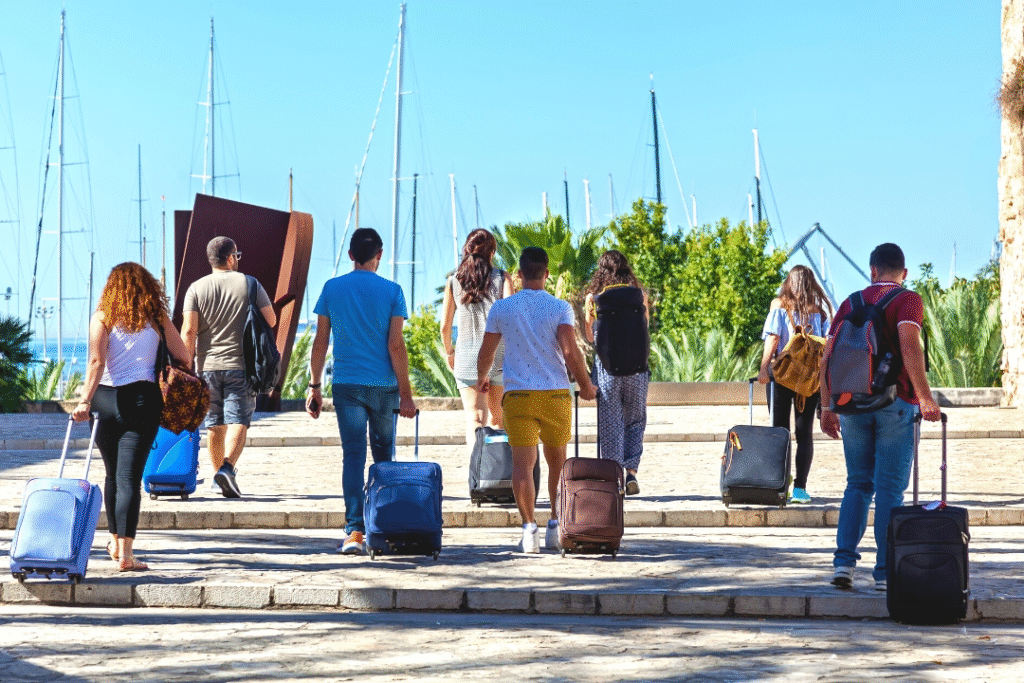
Perhaps the most beautiful underlying trend of all is our collective realization that travel is ultimately about people.
Basking in Unplanned Encounters
In a hyper-digitalized world, travelers are craving genuine, unscripted human encounters. It’s the shopkeeper who shares a family recipe, the local guide who tells stories passed down through generations, or the stranger who helps you navigate a country road when your car breaks down.
The True Luxury of Time
True luxury in 2026 is no longer about exclusivity or high-end price tags. It is about the freedom of unhurried time, the warmth of human hospitality, and the profound realization that wherever we roam on this earth, a genuine conversation can make any foreign place feel like home.
FAQ’s
1. What are the top tourism trends in 2026?
Major trends include sustainable tourism, slow travel, solo trips, wellness travel, local experiences, and personalized travel.
2. Why is sustainable tourism becoming popular in 2026?
Travelers are becoming more conscious of environmental protection and the impact tourism has on local communities.
3. What is slow travel?
Slow travel means spending more time in fewer destinations and focusing on meaningful local experiences rather than rushing through an itinerary.
4. Is solo travel a growing trend in 2026?
Yes, many travelers are choosing solo trips for greater independence, flexibility, and personal exploration.
5. How is technology changing travel in 2026?
Digital tools and AI can help travelers research destinations, organize itineraries, navigate places, and manage bookings more conveniently.