
There is an old, quiet satisfaction in opening a pantry filled with fresh, wholesome food, knowing you nourished your household without emptying your wallet. In the steady flow of daily life, feeding ourselves and our families remains one of our most fundamental human acts. Yet, in 2026, a simple trip to the local market or a quick tap on a delivery app can often feel like an exercise in balancing real budgets against rising costs.
Saving money on groceries is not about denying yourself good food, nor does it require living off bland instant meals. Instead, it is an art form—a deliberate, mindful way of observing how food moves from the earth to our tables, and understanding the digital and physical networks that offer genuine value. By bringing a little human intention, sharp strategy, and intuitive planning into your routine, you can comfortably lower your monthly food bill while keeping your meals rich, varied, and satisfying.
The Modern Grocery Ecosystem: How Savings Actually Flow
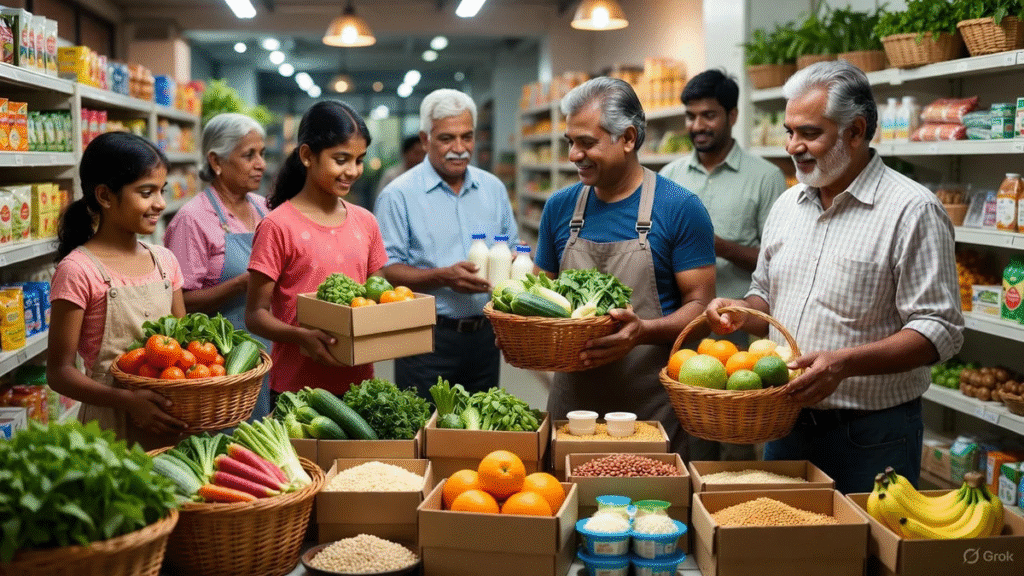
Before diving into specific techniques, it helps to step back and look at how food retail operates today. The supermarket landscape is no longer just aisles of steel shelves; it is a layered ecosystem of digital apps, quick-commerce hubs, regional farming routes, and localized checkout rewards.
                        [ THE WEEKLY FOOD BUDGET ]
                                     |
       +-----------------------------+-----------------------------+
       |                                                           |
 [ BULK & STAPLES ]                                         [ FRESH & PERISHABLE ]
 * Monthly stock-ups                                        * Weekly local replenishment
 * Grains, oils, pulses, spices                             * Vegetables, fruits, dairy, bakery
 * High shelf-life items                                    * High decay risk
       |                                                           |
 +-----+-----+                                               +-----+-----+
 |           |                                               |           |
(Wholesale /) (Digital Apps)                               (Local Mandis/) (Quick-Commerce)
(Warehouse  )                                               (Farmers     )  (Flash Deals   )
By separating your household needs into Durable Staples (things that rest quietly in your pantry for months) and Fresh Perishables (nature’s fast-moving gifts), you immediately gain control over where your hard-earned money goes. Bulk purchasing works best for grains, oils, and pulses, whereas fresh produce requires local, frequent replenishment to avoid spoilage.
Master the Gift Card Ecosystem: Digital Vouchers for Maximum Savings

Prepaid digital vouchers and gift cards have evolved into one of the most effective ways to secure upfront discounts on household groceries. Instead of spending full price directly at checkout, buying brand-specific gift cards through discount portals (like GyFTR, Magicpin, HDFC SmartBuy, or Axis EDGE Rewards) allows you to lock in an immediate 2% to 10% discount on your entire monthly budget.
Here is a breakdown of how the top grocery and quick-commerce gift cards operate:
Quick-Commerce Delivery Vouchers (Sub-15 Minute Needs)
- Blinkit Gift Card: Loads directly into your Blinkit Wallet. It covers the cart value for immediate pantry top-ups, snacks, fresh milk, and daily household essentials.
- Zepto Gift Card: Converts into Zepto Cash within your profile balance. It allows partial usage across multiple small orders until your credit reaches zero, making it ideal for fast runs of fresh vegetables, seasonal fruits, and dairy.
- Swiggy Instamart Gift Card: Redeems directly into Swiggy Money. The added balance works seamlessly across both food delivery orders and instant Instamart grocery purchases, providing flexibility for late-night essentials and quick kitchen restocks.
Online Supermarkets & Bulk Delivery
- BigBasket Gift Card: Redeemed into your bb wallet through the BigBasket app. The balance can be used for both large, scheduled weekly deliveries and express bbnow orders. It provides a reliable way to buy 10kg grain bags, wholesale cooking oils, organic pulses, and cleaning supplies at a discount.
- Amazon Fresh Gift Card: Claims straight into your Amazon Pay Balance. This allows you to combine your gift card credits with Amazon Prime bank cashbacks, subscriber discounts, and ongoing sale events.
- Flipkart Grocery Gift Card: Applied to your Flipkart Gift Card Balance. It works exceptionally well during seasonal promotional events, month-end super saver sales, and bulk value pack purchases.
Hypermarket & Brick-and-Mortar Retailers
- JioMart Gift Card: Redeemable during checkout on the JioMart app and web platform. It offers competitive prices on packaged foods, regional grains, dairy, and household items.
- Reliance Smart Bazaar Gift Card: Designed primarily for in-store physical redemptions across Reliance Smart and Smart Bazaar outlets nationwide. The cashier scans your SMS voucher or barcode directly at the store counter during billing.
- Spencer’s Retail Gift Card: Flexible across physical Spencer’s hypermarket outlets and the Spencer’s online delivery app. It is suited for organic produce, imported pantry goods, artisanal cheeses, and fresh cold cuts.
The Art of Stacking Offers: Layering Discounts

Most shoppers find a single coupon code, feel a brief spark of triumph, and complete their order. But true financial mindfulness lies in the subtle human strategy of discount stacking—layering different savings mechanisms on top of one another so they work in harmony.
To achieve maximum savings, follow this multi-tier approach:
- Base Layer: Select items already marked down during weekend promotional cycles or available in family-sized value packs.
- Middle Layer: Apply a store-wide promotional coupon or threshold discount code inside the app.
- Gift Card Layer: Pay for the remaining cart total using a pre-loaded gift card that you bought at an upfront discount on portals like GyFTR or Magicpin.
- Payment Layer: Purchase those gift cards using a specialized grocery cashback credit card (like the HSBC Live+ card or Swiggy HDFC card) to capture direct cashback on the voucher purchase itself.
Eating with the Seasons: Nature’s Natural Discount
One of the simplest ways to cut your fresh food costs in half is to stop fighting the seasonal tide. Nature operates in abundance; when a particular crop is in season, it floods local markets, tastes incomparably better, and drops dramatically in price.
| Season / Window | Highly Abundant Produce | Savings Advantage |
| Cooler Months / Winter | Leafy greens, carrots, cauliflower, peas, root vegetables | Prices drop up to 60% compared to off-season greenhouse stock |
| Warm Months / Summer | Melons, gourds, mangoes, cucumbers, tomatoes | Peak hydration, high yield keeps local market prices very low |
| Monsoon / Transitional | Sturdy squash, native tubers, stored onions and potatoes | Reliable availability without supply-chain price surges |
When you plan your weekly dinner menus around what is growing abundantly in your immediate region right now, you align your household budget directly with the rhythms of the earth. Out-of-season produce requires expensive transport, cold storage, and artificial preservation—costs that are always quietly passed on to your grocery bill.
Direct Farmers’ Markets and the Neighborhood Trader Strategy
While flash-delivery apps offer incredible convenience for emergency top-ups, relying on quick-commerce for your entire monthly pantry can subtly drain your wallet through small service fees, convenience surcharges, and smaller pack sizes.
- The Local Mandi / Farmers’ Market: Visiting a local weekly morning market connects you directly with small-scale growers. Because there are no middleman storage facilities or expensive app servers involved, fresh produce bought here is often 20% to 40% cheaper than pre-packaged plastic trays at high-end supermarkets.
- The Neighborhood Kirana / Wholesale Merchant: For dry staples like rice, lentils, flour, and spices, your local neighborhood trader or wholesale cash-and-carry outlet remains unbeatable. Buying a 10kg bag of grain directly from a trusted merchant not only cuts out unnecessary plastic packaging, but it also delivers a far lower price-per-kilogram than fancy branded pouches on store shelves.
Conscious Kitchen Practices: Stopping Waste at the Source
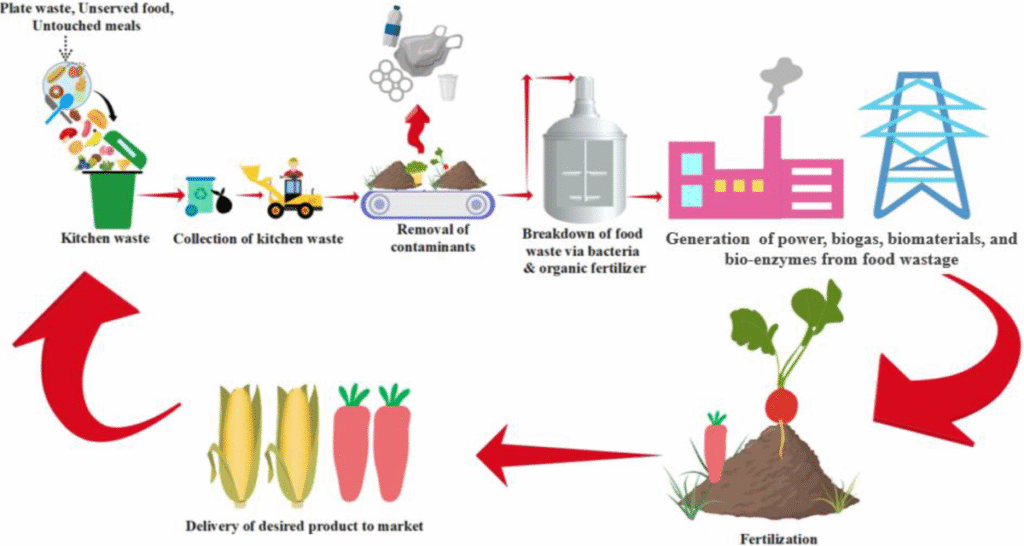
The most direct food discount in the world is simply using everything you buy. When we throw away a wilted bundle of herbs or a forgotten container of leftovers hiding at the back of the refrigerator, we are quite literally throwing cash into the bin.
- Shop Your Own Pantry First: Before making a shopping list, spend five minutes looking closely at what you already own. Design at least two meals each week specifically around finishing open bags of grains, half-used jars, or aging vegetables.
- Embrace the Deep Freeze: Fresh herbs, berries, chopped onions, and surplus bread can all be frozen before they cross the line into decay. Cooking a double batch of vegetable curry or lentil soup and freezing half gives you a convenient, zero-cost meal for busy days when you might otherwise be tempted to order expensive takeaway.
- Understand Date Labels: Remember that “Best Before” dates are often guidelines set by manufacturers for peak flavor, not strict safety deadlines. Trusting your basic human senses—smell, sight, and touch—helps you avoid discarding perfectly good, wholesome food prematurely.
FAQ’s
1. How can I find the best food and grocery discounts in 2026?
Compare online offers, store promotions, coupons, cashback deals, and seasonal sales.
2. What is the best way to save money on groceries?
Planning meals, comparing prices, buying essentials on sale, and using coupons can reduce grocery costs.
3. Are online grocery discounts worth using?
Yes, online stores often provide exclusive coupons, promotional codes, and limited-time offers.
4. When are grocery discounts usually the biggest?
Major festivals, seasonal sales, clearance periods, and special promotional events often offer good savings.
5. Can grocery coupons help reduce monthly expenses?
Yes, regularly using relevant coupons can help lower the total cost of everyday grocery shopping.