
Remember the days when keeping up with fashion felt like running on a treadmill that never slowed down? We have all been there—tossing out clothes after just a couple of wears, chasing fleeting micro-trends until our bedroom closets felt less like sanctuaries and more like chaotic dumping grounds. But if you step outside today, take a deep breath of crisp morning air, and look around at the shifting world, you can feel that something fundamental has changed. Our relationship with clothing is finally growing up, maturing into something much more grounded, intentional, and deeply human.
In 2026, fashion is no longer about shouting the loudest in a crowded digital room. Instead, it is shifting toward something organic, tactile, and emotionally resonant. Think of your wardrobe not as a disposable costume box for weekend photos, but as a living, breathing ecosystem that accompanies you through the seasons of your life. Market insights show that consumers are craving permanence, physical comfort, and an intimate connection to the fabrics resting against their skin. Let’s take a long, thoughtful walk through the forest of emerging styles, market shifts, and cultural movements shaping our closets this year.
Market Shifts: Moving Away from Fast Fashion Toward Conscious Longevity
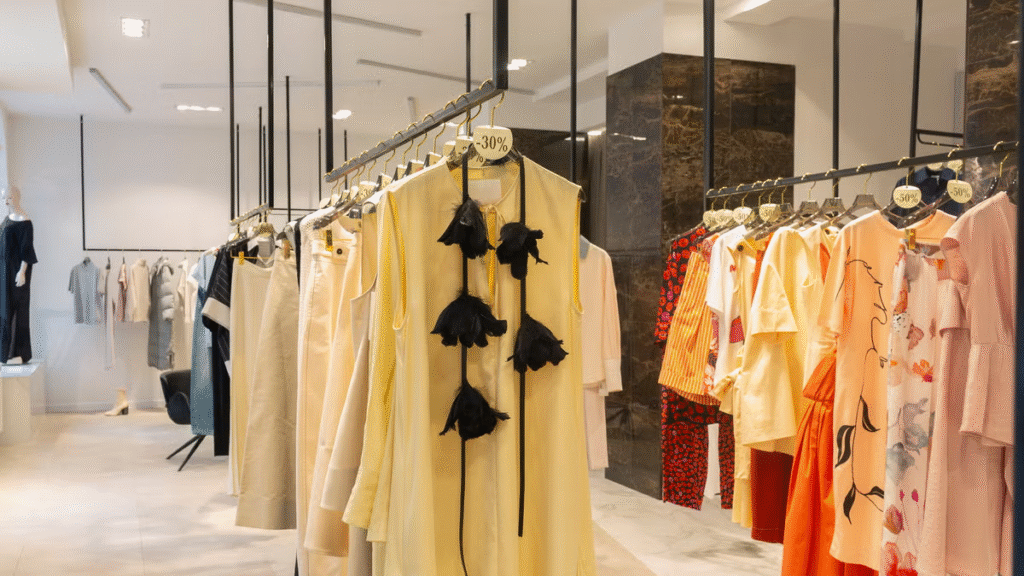
To truly understand why our clothes look and feel different this year, we have to look at the economic and psychological shifts happening behind the scenes. For years, the market was flooded with hyper-fast production cycles that left landfills overflowing and shoppers perpetually fatigued. Human beings are naturally adaptable, but mental exhaustion from constant visual noise has finally peaked.
Data from global retail analysts points to a massive surge in what economists call “conscious longevity.” People are spending their hard-earned money less frequently, but investing much more deeply when they do.
Durability over Novelty: Shoppers now actively look for garments built to withstand real life—scuff marks, repeated washings, and everyday adventures.
The Rise of Traceability: Consumers want to know where their cotton was harvested, who wove the threads, and whether the dye process poisoned local river systems.
The Resale Boom: Second-hand shopping and vintage archiving are no longer viewed as alternatives for tight budgets; they are status symbols of good taste and environmental stewardship.
When you buy a piece of clothing in 2026, you are casting a vote for how you want the earth to look and feel tomorrow. This mindset is bleeding directly into every single emerging aesthetic on the runway and the street.
Grounded in Reality – Brut Denim and Organic Earthy Textures
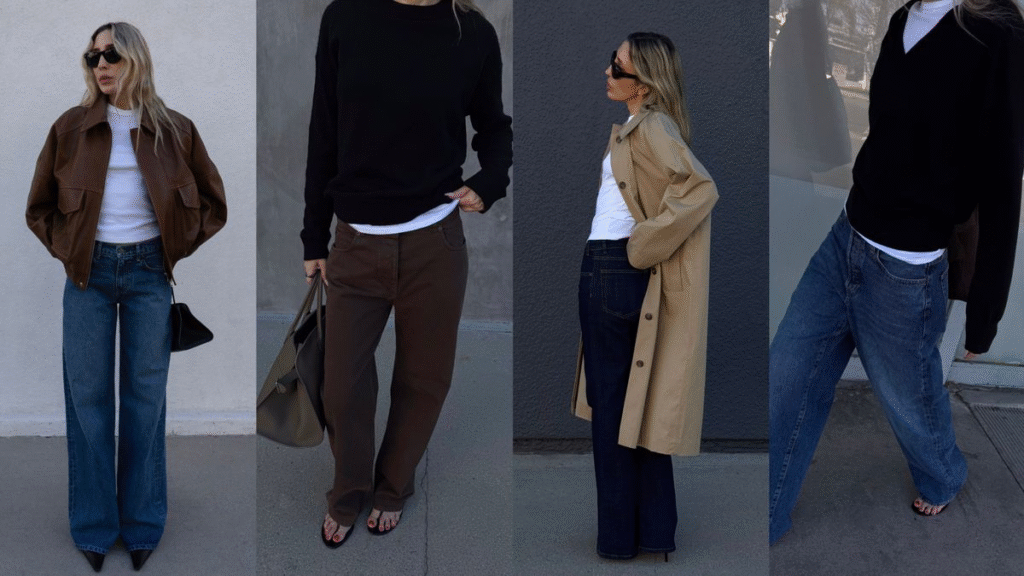
There is a visceral, grounding comfort in things that feel real, heavy, and honest. As artificial intelligence and digital screens consume more of our working hours, human hands are instinctively yearning to touch something raw and unpolished. Enter Brut Denim—unwashed, untreated, and entirely pure cotton in its most rigid, authentic state. It doesn’t come pre-distressed by a factory laser; it waits patiently for your body to crease it, fade it, and write your personal history into the fibers.
Alongside unyielding denim, nature-inspired fabrics are dominating daily wear:
Raw Linen and Breathable Hemp: Textiles that catch the wind like summer leaves, carrying an earthy, organic weight that synthetics can never replicate.
Cozy Grandpa Knits and Cable Wools: Providing the tactile, psychological security of a mossy forest floor or a heavy woolen blanket on a freezing autumn afternoon.
Handcrafted Crochet and Visible Mending: Celebrating tiny human imperfections that whisper handmade, reminding us that a real person labored over every single loop.
Market data confirms that synthetic blends are taking a backseat. We want clothing that ages gracefully, much like weathered tree bark, river stones smoothed by rushing water, or leather that softens under the sun.
The Evolution of Quiet Luxury into “Poetcore” and Romantic Fluidity
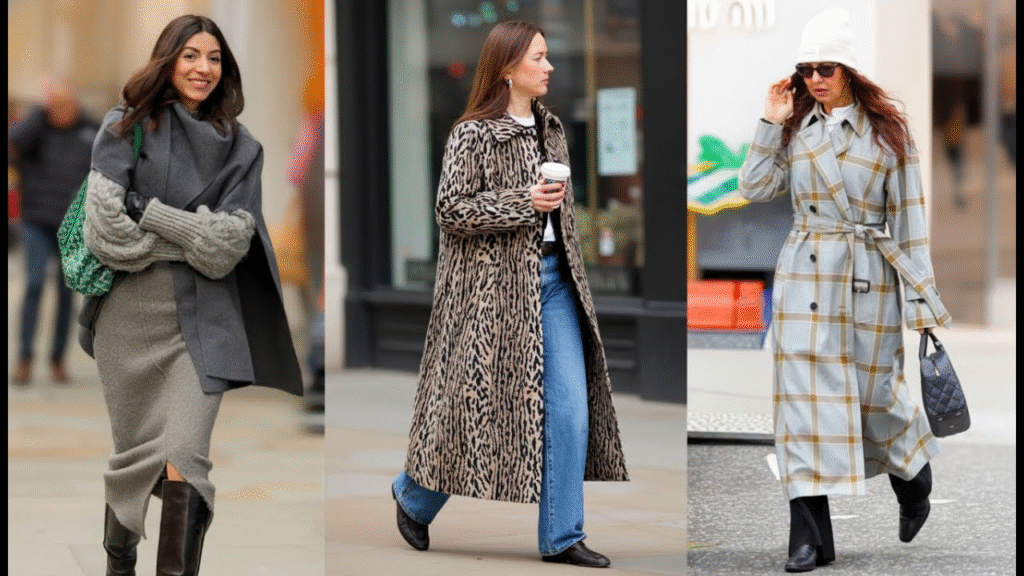
Minimalism taught us the beauty of restraint, but this year is injecting a beating heart into those clean lines. Poetcore and romantic silhouettes have captured the global imagination by marrying literary nostalgia with soft, fluid movement. It is an aesthetic built for people who prefer reading a worn paperback under a willow tree to scrolling endlessly through social media feeds.
Picture oversized vintage cardigans, tailored blazers with soft shoulders, and long dresses that ripple like water over smooth stones. The color palette feels entirely borrowed from a foggy sunrise, anchored heavily by Pantone’s Cloud Dancer—a soft, milky, breathable white that highlights texture and transparency over bright distraction. When you walk down the street wrapped in these garments, you aren’t trying to command a room through corporate intimidation; you are moving through the world with the quiet, unbothered grace of a wandering soul.
The Urban Counter-Current – Wall-Street Sleaze and “Texture-Maxxing”
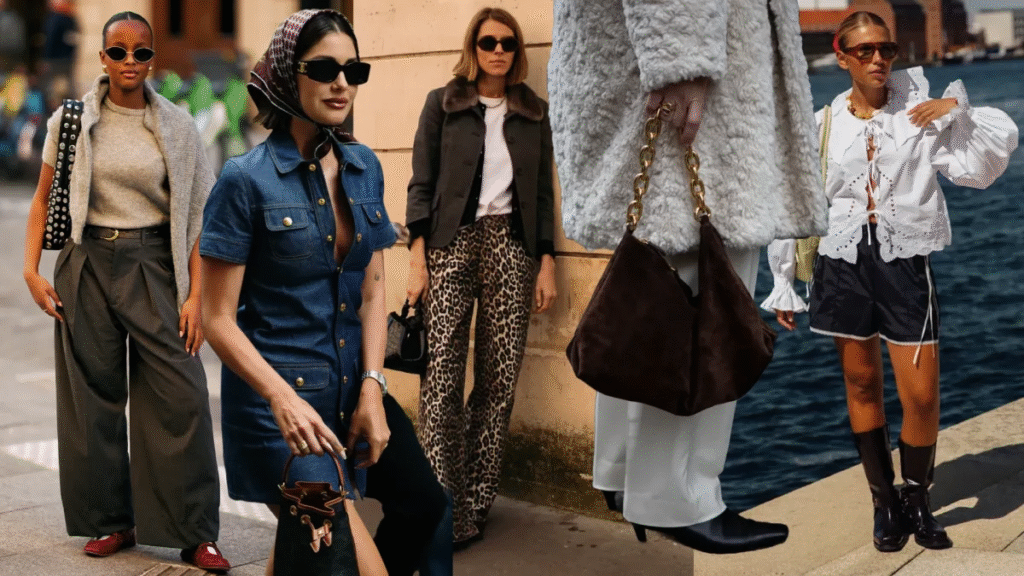
Of course, human nature loves a healthy contradiction. While one half of the fashion landscape retreats into quiet woods and earthy minimalism, the other half steps out under city neon lights with unbridled theatricality and sensory overload.
Wall-Street Sleaze: A darker, more seductive nod to vintage 90s thriller tropes. Think razor-sharp pinstripes, deep oxblood accents, and power suiting that looks like it belongs to someone who drinks their espresso black, walks with purpose, and takes absolute prisoners in the boardroom.
Texture-Maxxing: Feathers, cascading sequins, heavy beads, and 3D embellishments are rebelling against years of stark design. This is pure tactile drama—clothes that rustle like dry autumn leaves underfoot and catch city streetlights like morning dew on a spiderweb.
This duality proves that fashion is an emotional outlet. Some days call for the quiet armor of a chunky knit sweater, while other days demand the shining armor of head-to-toe sparkle.
The Tech-Integrated Wardrobe and Functional Outdoor Heritage
Fashion has always borrowed from utility, but 2026 marks the year where technology stops feeling like a sci-fi gimmick and starts seamlessly serving our daily survival. As more people seek out weekend escapes to the mountains, forests, and countryside, utility wear has flooded urban commutes.
Barn Jackets and Waxed Cottons: Weather-resistant outer layers designed to handle sudden rain showers while looking better with every scratch.Smart Thermal Fibers: Conductive yarns and responsive organic fibers embedded directly into everyday garments that regulate body temperature without changing how a jacket looks or feels.
We are dressing for the elements because we are trying to reconnect with them. The line between an outdoor hiking shell and a high-fashion runway piece has completely dissolved, giving rise to clothing that protects us from the weather while keeping us deeply rooted in physical reality.
FAQ’s
1. What are the biggest fashion trends to watch in 2026?
Relaxed tailoring, nostalgic styles, evolving denim, expressive colors, statement accessories, and versatile clothing are among the key trends to watch.
2. Is sustainable fashion still important in 2026?
Yes, sustainability continues to influence shoppers who are interested in quality, longer-lasting clothing, resale, and more thoughtful purchasing.
3. What denim styles are popular in 2026?
Wide-leg, straight-leg, relaxed, bootcut, and other comfortable denim silhouettes are giving shoppers more options beyond traditional fits.
4. Are vintage fashion styles trending in 2026?
Vintage-inspired clothing and accessories continue to influence modern fashion, particularly when combined with contemporary wardrobe pieces.
5. What colors are trending in fashion in 2026?
Both versatile neutral shades and more expressive colors are being used, giving people plenty of room to experiment with their personal style.