
Let’s step away from the glare of the computer screen for a quiet moment. Roll your shoulders back, unclench your jaw, and take a slow, deep breath. Can you smell it? Forget the recycled air of an office or the sterile smell of hand sanitizer — imagine instead stepping into a thriving local plant nursery, surrounded by the heavy, grounding scent of rich earth right after a soft summer rain. Think about the cool, comforting weight of a damp terracotta pot in your hands, the rough texture of natural twine, and the soft, rustling music of green leaves whispering secrets to the afternoon breeze.
If you have felt a quiet, persistent voice tugging at your sleeve lately, telling you that life is meant to be more than frantic deadlines, endless notifications, and automated emails, you are far from alone. We are navigating through 2026, a fast-paced era where smart devices chirp constantly, digital clutter fills every quiet corner, and concrete parking lots seem to stretch out forever. Because modern life feels so overwhelmingly virtual, human beings are experiencing a profound, soul-level awakening. We are starving for tactile reality, for natural seasonal rhythms, and for something living that we can nurture with our own two hands.
Launching a plant nursery business today is not just about crunching numbers or following a commercial trend. It is an act of gentle rebellion. It is about planting your feet firmly in the dirt, healing your community’s connection to nature, and carving out a peaceful, sustainable livelihood from pure passion. Whether you dream of managing a sprawling patch of countryside green or a sunlit balcony filled with trailing vines, this comprehensive guide will walk you through how to grow your botanical Startup from the ground up.
Finding Your Roots — Choosing Your Botanical Niche for 2026
Every magnificent forest starts with a single, unassuming seed, and every thriving independent business begins with a clear, passionate focus. You cannot possibly grow every single plant species for every type of human buyer—especially when you are starting out with limited space, a modest budget, and only two hands. Specialization is where the magic happens. What specific corner of the natural world makes your heart race?
The Backyard Homestead & Organic Edible Haven
- The Atmosphere: Rustic, wholesome, incredibly practical, and deeply satisfying.
- The Target Customer: Urban foodies, health-conscious parents, backyard homesteaders, and local kitchen enthusiasts who want to taste food grown under an open sky.
- What to Cultivate: Heirloom tomato starts, crisp salad greens, organic culinary herbs (like sweet basil, rosemary, and mint), and resilient pepper varieties.
- The Human Touch: There is an indescribable joy in handing a customer a tiny, vibrant vegetable seedling and telling them, “Plant this right where the afternoon sun hits hardest, give it a steady drink at the base, and by mid-summer, you’ll be picking sweet fruit straight off the vine.” You aren’t just selling a plant; you are selling flavor, wellness, and pride.
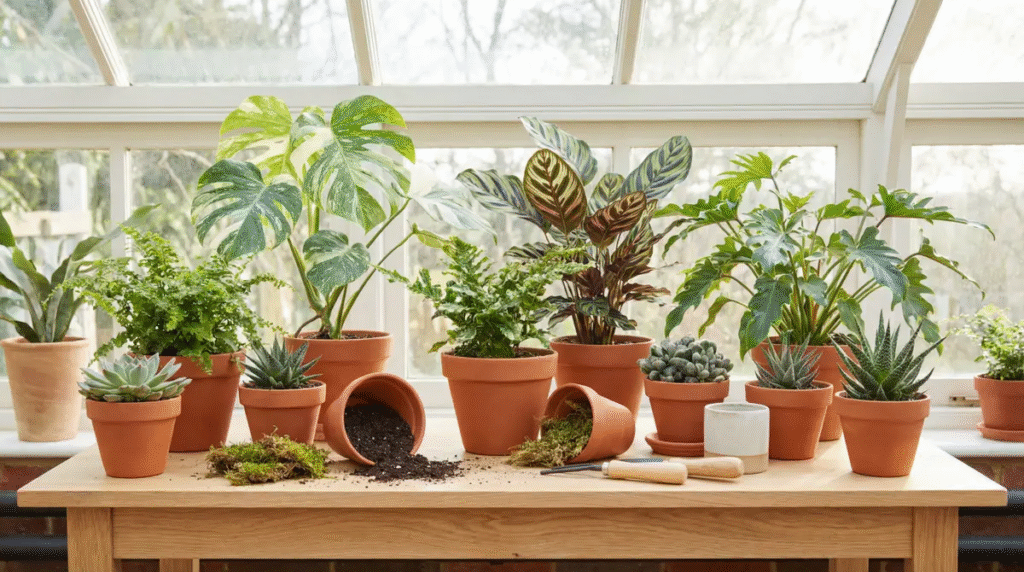
The Rare & Collector nursery Houseplant Jungle
- The Vibe: Aesthetic, moody, conversational, and fiercely community-driven.
- The Audience: Apartment dwellers, interior design lovers, and obsessive plant collectors who hang on every new leaf unfurling.
- What to Cultivate: Variegated monsteras, rare aroids, philodendrons, cascading hoyas, and textural ferns.
- The Human Touch: Houseplant lovers form a tight, passionate tribe. They love swapping propagation cuttings, trading care secrets, and turning their living rooms into indoor jungles. If you have an eye for detail and love high-humidity care, this niche offers wonderful connections and strong profit potential per square foot.
The Native & Pollinator Sanctuary
- The Vibe: Wild, ecological, deeply healing, and rooted in environmental stewardship.
- The Audience: Eco-conscious homeowners, wildlife lovers, landscape designers, and local conservation groups looking to restore native habitats.
- What to Cultivate: Milkweed for monarch butterflies, drought-tolerant native perennials, and wildflowers that hum with busy bees and local pollinators.
- The Human Touch: This taps directly into our collective human urge to heal the earth. Every time someone replaces a sterile patch of grass with native shrubs, they are weaving a thread back into the local ecosystem. Helping folks transform quiet yards into buzzing wildlife habitats is profoundly meaningful work.
Drafting Your Blueprint — Writing a Living Business Plan
The phrase “business plan” usually brings to mind dusty corporate binders, intimidating financial terms, and rigid spreadsheets that drain all the joy out of entrepreneurship. Let’s throw that outdated mindset right out the window.
Think of your business plan not as a corporate rulebook, but as the wooden trellis that supports a climbing passionflower or tomato vine. It offers a sturdy structure, guides your daily efforts toward the light, and keeps your stems from snapping when unexpected seasonal winds blow through.
Crucial Questions to Ask Yourself Before You Dig:
- The Financial Soil: How much startup money do you realistically need? You don’t need a fortune to begin. Many wonderful nurseries started with a few bags of rich organic compost, a handful of seed trays, and a sturdy wooden table in a sunny backyard. Start small, root deeply, and let your profits naturally fuel your expansion.
- The Local Climate and Weather: Mother Nature is going to be your most honest, uncompromising business partner. What are the average frost dates in your region? What does the local soil look like? Learn to dance with your local weather patterns rather than fighting a losing battle against them.
- The Neighborhood Connection: Who are the human beings buying from you? Are they retired grandparents with immaculate English gardens, busy young parents wanting low-maintenance yard greenery, or local landscape contractors who need reliable green stock every week? Talk to people, listen to their gardening frustrations, and build your offerings around real human needs.
Setting Up Your Growing Grounds — Infrastructure & Setup
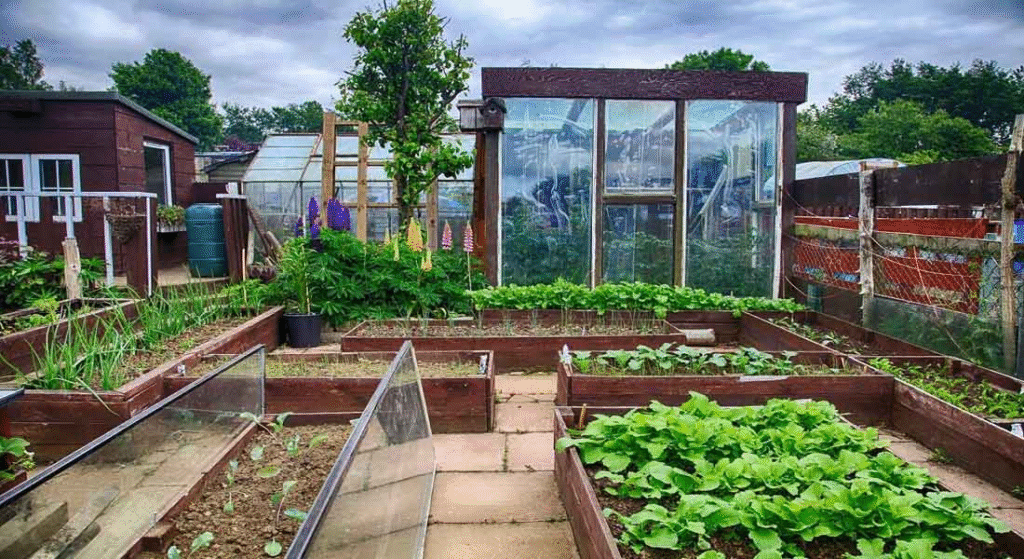
You do not need a massive commercial farm to launch a successful plant business. In fact, starting too big, too fast is one of the easiest ways to drown in debt and physical exhaustion. Many resilient independent nurseries begin in modest spaces: a reclaimed vacant lot, a sunny terrace, or a sun-drenched suburban backyard.
Hoop Houses and Protective Greenhouses
Your tender young seedlings need a gentle, sheltered womb to grow strong before they face the unpredictable elements of the outside world. You don’t need an expensive glass conservatory. A sturdy, budget-friendly hoop house built from metal ribs and wrapped in durable UV-resistant polyethylene film will extend your growing season by months and shield fragile leaves from sudden spring storms.
Water Flow and Irrigation Systems
Water is the absolute lifeblood of any nursery. Without it, your entire inventory can wither under a hot afternoon sun in just a few hours. Plan your water source carefully from day one. Whether you rely on a high-output rural well, municipal lines, or an elaborate network of rain-harvesting barrels, make sure your distribution is reliable. Setting up simple drip irrigation lines or overhead misting systems will save your aching back countless hours of hand-watering and ensure every single root ball gets a steady, gentle drink.
Soil, Compost, and Potting Stations
Never skimp on the dirt. Cheap, heavy topsoil will compact inside containers, choke out delicate roots, and break your customers’ hearts when their plants fail. Invest in high-quality organic potting mixes rich in aged compost, fluffy perlite for aeration, and beneficial mycorrhizal fungi. Remember: healthy soil builds invincible plants.
Cultivating Community — Marketing with Heart and Muddy Boots
In an age of automated pop-up ads, faceless drop-shipping corporations, and relentless digital algorithms, human beings are craving genuine connection more than ever. When you sell plants, you aren’t just selling merchandise—you are offering a piece of nature, a moment of peace, and a living relationship. When you market your nursery, speak directly from the heart, show your muddy boots, and don’t be afraid to share your failures right alongside your triumphs.
Storytelling Over Cold Selling
- The Cold Corporate Way: “Ferns for sale at $15. Limited stock available. Buy now.”
- The Human Greenhouse Way: “Look at this delicate maidenhair fern unfurling its bright, lime-green fronds this morning after a soft mist. It loves a humid bathroom corner and a gentle drink of morning sunlight.” See the immense difference? The first is a sterile transaction that leaves you cold; the second is a warm invitation into a living, breathing story.
Host Hands-On Workshop Weekends
Invite your local community right into your growing space. Clear off a rustic wooden workbench, set out some extra potting soil, and teach folks how to propagate succulents from single leaves, prune fruit trees for maximum autumn harvest, or design stunning pollinator-friendly patio containers. When people learn, laugh, and get their hands dirty in your physical space, your nursery transforms from a simple retail shop into a beloved neighborhood sanctuary.
Embrace the Digital Garden
Use social media platforms like Instagram or TikTok not as a billboard, but as a window into your daily sanctuary. Post short, unedited videos of morning dew glistening on hosta leaves, share the quiet rhythm of repotting roots on a rainy afternoon, and answer viewer questions with genuine warmth. People love supporting creators who are real, passionate, and deeply knowledgeable.
FAQ’s
1. What is a plant nursery business?
A plant nursery business involves growing, caring for, and selling plants, saplings, and gardening products to customers.
2. Can I start a plant nursery business from home?
Yes, a small plant nursery can be started from a suitable backyard, terrace, or open space at home.
3. How much investment is needed to start a plant nursery?
The investment depends on the size of the nursery, location, plants, equipment, irrigation, and other setup requirements.
4. Which plants can I sell in a nursery?
You can sell indoor plants, flowering plants, ornamental plants, fruit saplings, herbs, vegetable seedlings, medicinal plants, and succulents.
5. Is a plant nursery business profitable in 2026?
Profitability depends on factors such as local demand, plant selection, operating costs, pricing, plant quality, and sales strategy.