
A quiet, profound transformation has taken hold of global commerce. The marketplace no longer operates on basic seasonal clearance banners, predictable quarterly markdowns, or blanket store-wide discounts. Instead, we have entered an era defined by hyper-precision, dynamic pricing engines, and deeply intentional consumer habits.
The retail landscape of 2026 is an intense, constant tug-of-war. On one side stand legacy global brands and agile digital merchants, equipped with algorithmic tools that recalibrate profit margins down to the exact minute. On the other side stand resourceful, conscious shoppers who evaluate every purchase not as an impulsive desire, but as a deliberate allocation of household capital.
The modern consumer is far from passive. Equipped with intelligent price trackers, instant cross-platform comparison applications, and real-time community reviews, today’s buyer navigates digital store shelves with remarkable focus. Understanding this shift requires looking beyond simple promotional flyers to examine how brand survival strategies, dynamic market algorithms, and shifting human psychology shape every transaction.
The Breakdown of Mass Discounts: Why Blanket Sales Are Fading

For decades, the retail playbook followed a straightforward path: apply high initial markups, run a generic 30% discount during a holiday weekend, and watch inventory clear out. That blunt approach has become largely obsolete. Broad, untargeted discounts weaken brand equity, train buyers to stall their purchases until prices inevitably fall, and shrink operating margins in a high-cost supply chain environment.
                [ THE EVOLUTION OF RETAIL PRICING ]
                                  │
     ┌────────────────────────────┼────────────────────────────┐
     ▼                            ▼                            ▼
( Legacy Playbook )      ( Hyper-Personalized )       ( Algorithmic Value )
  Blanket discounts        Targeted promo codes         Real-time elasticity
  Seasonal markdowns       Loyalty reward stacks        Contextual pricing
  Mass-market appeal       Precision basket offers      Value-based anchors
From Broad Markdowns to Tailored Value
Retailers no longer broadcast universal promotional codes across generic website banners. Instead, modern pricing models rely on granular customer segmentation and real-time demand elasticity.
- Targeted Promotional Vouchers: Discounts are increasingly issued directly through personalized user accounts, private loyalty apps, and customized abandoned-cart notifications. Two shoppers browsing the exact same product listing may see subtle variations in offered incentives based on their past purchase history, brand engagement, and browsing frequency.
- Value-Added Bundling Over Direct Price Cuts: Rather than cutting the price of a flagship item by 20%, premium brands protect their core value perception by bundling high-margin companion products or services—such as extended coverage plans, essential accessories, or fast-track customer support. This preserves perceived product quality while providing tangible financial value.
- Dynamic Basket Optimization: Quick-commerce networks and digital grocery applications utilize real-time cart analysis. If your virtual shopping cart contains ingredients for a specific recipe, the system automatically suggests a contextual discount on a complementary spice blend or organic cooking oil, encouraging an immediate checkout.
- The Algorithmic Engine: Dynamic Pricing in Daily Commerce
The Algorithmic Battlefield: Dynamic Pricing and AI Engines

Pricing decisions were once crafted inside slow corporate boardroom meetings over months of deliberation. Today, automated pricing systems run continuous simulations, adjusting listing prices across thousands of product lines in response to live market signals.
┌────────────────────────────────────────────────────────┐
│         DYNAMIC PRICING ENGINE ARCHITECTURE            │
├──────────────────────────┬─────────────────────────────┤
│ Operational Inputs       │ Real-Time Output            │
├──────────────────────────┼─────────────────────────────┤
│ Competitor Shelf Pricing │ Automated SKU Repricing     │
│ Regional Logistics Costs │ Dynamic Discount Depth      │
│ Warehouse Stock Levels   │ Targeted Cart Incentives    │
│ Regional Demand Density  │ Margin Protection Guards    │
└──────────────────────────┴─────────────────────────────┘
How Modern Pricing Software Thinks
Automated pricing engines analyze multiple operational variables simultaneously to optimize sales velocity and profit preservation:
- Continuous Competitor Benchmarking: Web scrapers track listing prices across competitor storefronts and third-party marketplaces. If a competing retailer reduces the cost of a mid-tier home appliance, rival pricing platforms automatically adjust their own listings within minutes to remain visible to bargain seekers.
- Inventory Stock and Supply Chain Signals: When warehouse stock for a seasonal apparel line remains higher than projected, localized algorithms introduce subtle price reductions to accelerate turnover. Conversely, when stock levels drop on high-demand items, prices automatically firm up to maximize profit per unit sold.
- Contextual Demand Triggers: Weather shifts, regional holiday schedules, local economic developments, and online traffic bursts directly feed pricing algorithms. An unseasonably warm weekend instantly prompts adjustments on outdoor recreation equipment, garden furniture, and summer apparel across local distribution channels.
Brand Survival Battlegrounds: Private Labels vs. Legacy Names
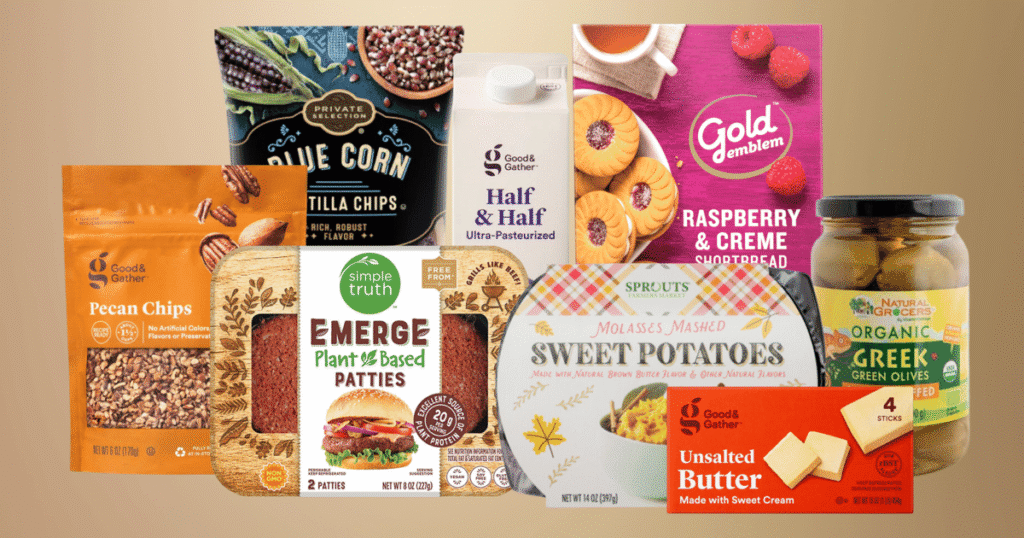
The rapid rise of high-quality, store-branded private labels from major retail chains has created a tough challenge for traditional household names. When store alternatives provide comparable performance at a 20% to 30% lower cost, legacy brands must clearly demonstrate why they deserve a place in the buyer’s budget.
                  [ THE BRAND STRATEGY MATRIX ]
                                │
     ┌──────────────────────────┼──────────────────────────┐
     ▼                          ▼                          ▼
( Premium Positioning )  ( Price-Pack Architecture )  ( Value Sub-Brands )
  Defend core margin       Right-size entry formats     Target budget tier
  Focus on innovation      Protect trial accessibility  Shield flagship line
  Emphasize craft quality  Anchor value perception      Capture price shoppers
| Retail Sector | Operational Shift | Primary Execution Method | Target Consumer Perception |
| Consumer Electronics | Ecosystem Integration | Software synergy, seamless pairing, trade-in value | “Long-term reliability justifies a higher upfront cost.” |
| Consumer Goods | Price-Pack Architecture | Transparent sizing, accessible trial formats | “I am paying a fair price for dependable daily quality.” |
| Fashion & Apparel | Sourcing Transparency | Sustainable materials, origin tracking, durability | “This garment lasts longer, lowering its cost per wear.” |
| Home & Kitchen | Modular Product Design | Upgradable attachments, replaceable parts | “I can buy the baseline unit now and add components later.” |
Beyond Hidden Size Reductions
Shoppers have become hyper-aware of—and openly frustrated by—stealthy packaging reductions where product quantities shrink while prices remain unchanged. In response, brand leaders are moving away from hidden volume cuts and turning toward clear, deliberate price-pack architecture.
Instead of concealing smaller quantities inside deceptively large boxes, companies are designing distinct “starter sizes” at accessible entry price points, alongside large “family value packs” that deliver transparent per-unit savings to budget-conscious households.
The Mind of the Modern Shopper: Quality, Intent, and Longevity
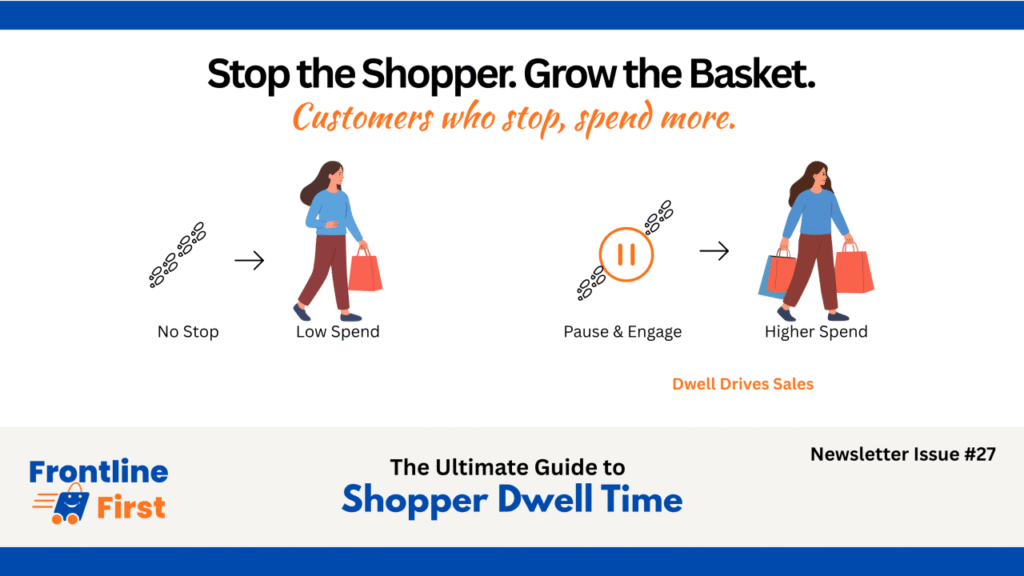
Consumers are approaching purchase decisions through a practical, grounded lens. Impulse buying driven by flashy advertising is declining, making way for intentional spending where product durability, utility, and long-term value take priority over temporary trends.
┌────────────────────────────────────────────────────────┐
│           THE MODERN CONSUMER DECISION LOOP            │
├──────────────────────────┬─────────────────────────────┤
│ Evaluation Phase         │ Decision Metric             │
├──────────────────────────┼─────────────────────────────┤
│ 1. Value Discovery       │ Cross-platform price check  │
│ 2. Utility Assessment    │ Estimated cost-per-use      │
│ 3. Brand Authenticity    │ Verified buyer feedback     │
│ 4. Transaction Moment    │ Stacked promotional rewards │
└──────────────────────────┴─────────────────────────────┘
Core Shifts in Household Buying Habits
- Calculated Cost-Per-Use Thinking: Whether purchasing a leather jacket, a kitchen appliance, or a personal laptop, buyers weigh the upfront cost against expected lifetime utility. Paying a higher initial price for a durable, repairable item is widely recognized as a smarter choice than buying cheap goods that require frequent replacement.
- Extended Research Cycles: Shoppers spend more time comparing features, reading long-term usage reviews, and holding out for major promotional windows before committing. Browsing frequency has increased, but checkout conversion occurs only when all value conditions are met.
- Selective Splurging Alongside Smart Frugality: Households comfortably balance budget-conscious choices with selective upgrades. A shopper might purchase store-brand staples for everyday pantry essentials while investing without hesitation in an ergonomic office chair or high-efficiency kitchen setup that directly improves daily living.
The Consumer Playbook: How to Navigate the Deal Landscape
In a marketplace run by dynamic pricing engines and targeted promotions, consumers must adopt structured shopping habits to stretch their household budgets effectively.
                     [ THE OPTIMAL SAVINGS STACK ]
                                   │
     ┌─────────────────────────────┼─────────────────────────────┐
     ▼                             ▼                             ▼
( Automated Price Tracking )  ( Loyalty & Points Stacking ) ( Strategic Payment Method )
[ Signals historical lows ]  [ Combines store & app perks ] [ Leverages cashback & zero-fee EMI ]
Practical Strategies for Smart Shopping
- Monitor Price History Trends: Utilize digital price-tracking tools to view historical pricing charts for high-value items. This ensures you buy when a product is truly at a low point rather than during a artificially inflated “sale.”
- Master Offer Stacking: True savings happen when multiple offer layers are combined: a baseline store discount, a category coupon code, a platform loyalty reward, and an instant bank cashback incentive. Combining these layers reduces the final bill significantly.
- Use Intentional Cart Delay: Leaving items in your digital shopping cart for 24 to 48 hours frequently prompts merchant re-engagement systems to send a targeted discount voucher or free delivery offer directly to your inbox.
- Consider Certified Refurbished Inventory: Official manufacturer-refurbished items usually come with full standard warranties, pristine functional quality, and substantial markdowns compared to brand-new boxed units.
Finding Balance in the Modern Marketplace
Behind the vast network of dynamic repricing software, automated inventory tracking, and complex marketing strategies lies a simple human reality: shopping is ultimately an expression of how we organize, protect, and care for our homes and families.
The pricing shifts of 2026 are not about restricting purchases or making unconsidered compromises. They are about buying with clarity and purpose. When brands respect consumer trust through honest pricing, reliable craftsmanship, and real utility, an enduring bond is created.
As you navigate the endless stream of online promotions, flash sales, and seasonal campaigns, let your personal priorities guide your decisions. Choose products that bring genuine ease, long-term durability, and true comfort to your daily life.
FAQ’s
1. What are pricing wars?
Pricing wars happen when competing brands lower or adjust prices to attract more customers and increase market share.
2. Why do brands participate in pricing wars?
Brands use competitive pricing to attract price-conscious customers, increase sales, and strengthen their position in the market.
3. How do pricing wars affect consumers?
Consumers may benefit from lower prices, discounts, and better-value offers, although choices can become more focused on price.
4. Are pricing wars good for businesses?
They can increase sales in the short term, but aggressive price cuts may reduce profit margins.
5. What strategies do brands use during pricing wars?
Brands may use discounts, bundles, loyalty rewards, promotional pricing, and value-added services.