
Keeping your skin healthy, your hair well-nourished, and your bathroom vanity stocked with daily essentials does not have to eat away at your monthly savings. In today’s digital landscape, the personal care and cosmetics market is filled with constant promotional cycles, reward schemes, and direct-to-consumer deals. However, scoring true value requires a bit of tactical planning rather than impulse buying whenever a flashy banner pops up on your screen. Navigating the modern beauty industry requires knowing where to shop, when to wait, and how to combine savings channels without getting tricked by inflated original prices.
Master the Multi-Layer Discount Stacking Strategy

The single biggest mistake most shoppers make is applying a single promo code at checkout and calling it a day. Real savings happen when you build a stacked offer where multiple discount layers work simultaneously on a single cart. Start by picking items that are already discounted as part of an ongoing storewide clearance or promotional campaign. Next, enter a valid promotional code—such as a first-time subscriber voucher, an influencer referral code, or a category-specific coupon. Pay for the remaining balance using a credit card, debit card, or payment wallet that provides instant checkout discounts or reward points. Finally, launch your entire shopping session through an accredited cashback portal so you earn a net percentage back on the total order value after the order ships.
Compare Brand Sites Against Multi-Brand Marketplaces
Deciding where to buy your products depends entirely on what kind of restock you are doing. Direct-to-consumer brand websites operate very differently from large multi-brand retail platforms. When you are looking to restock three or four staples from a single brand, purchasing directly from that brand’s official site is almost always cheaper. D2C platforms frequently run buy-one-get-one promotions, offer higher affiliate cashback rates, and throw in full-sized deluxe freebies. On the other hand, if your shopping list contains individual products from separate brands, multi-brand marketplaces are far better because they allow you to bundle everything into one package, saving you from paying multiple shipping fees.
Time Your Restocks Around Major Promotional Windows

Retailers follow predictable promotional calendars throughout the year, meaning you should rarely have to pay full price for core beauty staples. Instead of waiting until a bottle of serum or shampoo is bone dry, monitor your supplies and time your purchases to match these predictable sale events. Seasonal transitions like spring refreshes, mid-year summer sales, festive holiday campaigns, and year-end inventory clearances are prime times for major price drops. A smart habit is to add your regular essentials to a wishlist two to three weeks before an announced sale begins. This allows you to track the base price and verify whether a listed sale discount is genuine or just an inflated baseline price.
Calculate Unit Cost by Volume Instead of Sticker Price
Fancy packaging and bottle shapes are often designed to mask smaller product volumes, making a seemingly cheap item far more expensive in reality. Always calculate the effective unit cost by dividing the final price after all discounts by the total volume in milliliters or weight in grams. Standard daily products that you use regularly—such as gentle cleansers, body lotions, daily sunscreens, and basic shampoos—are almost always significantly cheaper when purchased in larger value sizes or refills. Conversely, limit smaller sizes to active ingredients with short shelf lives or experimental items you have never tried before, preventing you from overpaying for bulk products that might go bad.
Eliminate Product Waste to Protect Your Monthly Budget
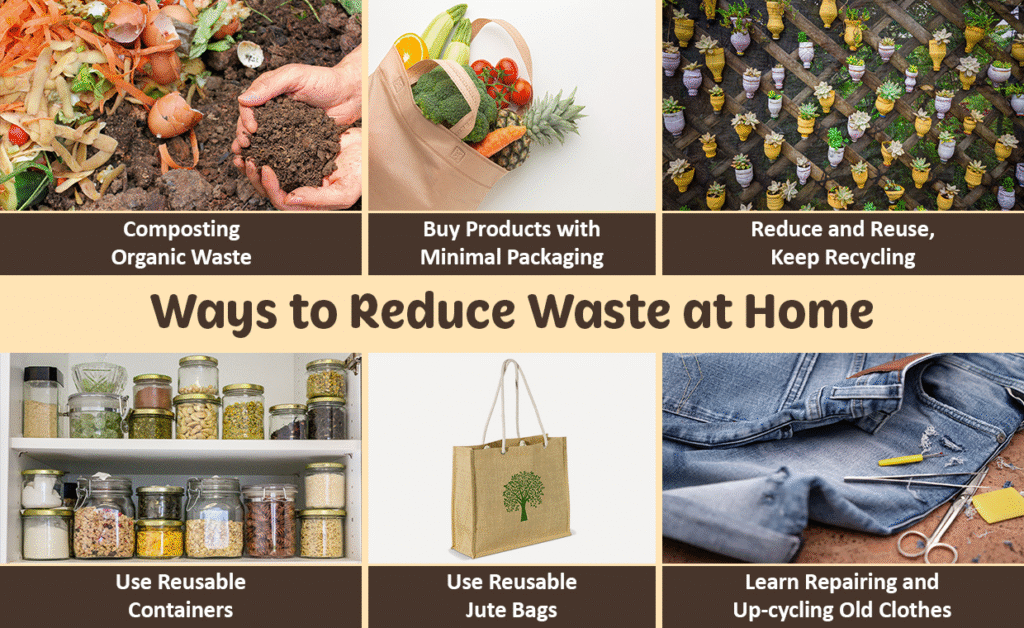
The fastest way to lower your overall beauty expenditure is simply to use every bit of what you already own before purchasing more. Accumulating half-used bottles of skincare and cosmetics leads to expired formulas that end up in the trash. Enforce a strict “one-in, one-out” rule where you do not buy a replacement product until the current one is within a week of running out. Using a permanent marker to write the opening date on the bottom of bottles helps you track active ingredient freshness. Additionally, reserve major sales exclusively for restocking your proven daily routines, avoiding impulse purchases on trendy items that may not suit your skin type or personal routine.
FAQ’s
1. How can I find the best beauty deals in 2026?
Compare prices, coupons, seasonal sales, cashback offers, and retailer promotions.
2. When is the best time to buy beauty products?
Festival sales, seasonal promotions, and major shopping events often offer attractive discounts.
3. Are online beauty deals reliable?
Yes, but always check seller ratings, product details, reviews, and return policies before buying.
4. How can I save money on personal care products?
Use coupons, bundle offers, loyalty rewards, and discounts on products you regularly use.
5. Are beauty subscription discounts worth it?
They can be worthwhile if the products match your needs and the subscription provides genuine savings.