
Building a memorable brand in today’s crowded market takes far more than just picking a cool logo or running a few flashy ads during peak season. Consumers are inundated with thousands of commercial messages daily, much of it generated automatically and feeling identical from one company to the next. To truly stand out, your brand must anchor itself in clear human purpose, present a recognizable visual identity, and maintain an authentic voice across every single touchpoint.
Defining Your Core Purpose
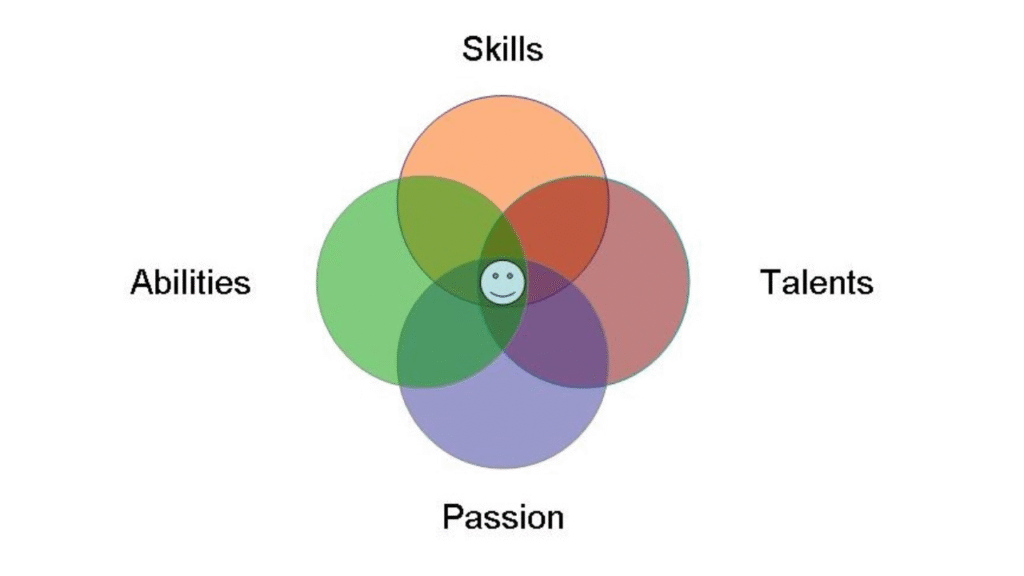
Building a strong, memorable brand starts from within. Before you design a single logo or post a single piece of content, you need absolute clarity on what your brand stands for, who it serves, and the rules that govern how it shows up in the world.
State Your Unique Idea
Every successful brand owns a single, razor-sharp concept in the mind of its customer. This is your core value proposition—the specific concept, feeling, or solution that sets you apart from every alternative on the market.
To define your unique idea, write down one clear, concise sentence that answers three questions:
- What specific problem do you solve?
- Who do you solve it for?
- What makes your approach fundamentally different?
Keep this statement lean, actionable, and free of vague buzzwords. If your own team cannot recite your core premise in one breath, your customers will not remember it either.
Understand Your Audience
Traditional audience research often stops at basic demographics like age ranges, income brackets, and geographic locations. While useful, these figures do not explain what actually drives a human being to trust and buy from a brand.
To build meaningful connections, look deeper into your audience’s psychographics:
- Motivations: What goals, shifts in status, or practical outcomes are they actively striving for?
- Anxieties: What frustrates, worries, or second-guesses them when navigating your industry?
- Digital & Offline Habits: Where do they hang out online, what media do they consume, and what tone of voice earns their trust?
When you understand the emotional drivers behind your customers’ daily lives, you can tailor your messaging to speak directly to their real-world needs.
Establish Brand Guidelines
Brand guidelines act as the central operational manual for your business identity. They ensure that no matter who creates content for your company—an in-house marketer, a freelance designer, or a agency partner—the brand feels cohesive, unified, and intentional.
At a minimum, your guidelines should clearly outline:
- Core Values: Three to five non-negotiable principles that dictate how your business operates and treats people.
- Brand Personality: The distinct human traits that describe your voice (e.g., direct, humorous, empathetic, or authoritative).
- Mission Statement: A practical declaration of what you are building and delivering to your community every single day.
Setting these boundaries early prevents brand drift and maintains alignment across your entire team as your business scales.
Creating Distinctive Visual Assets
Once your core purpose is locked in, you need a distinct visual identity to translate your ideas into instant recognition. A clean, memorable visual system cuts through digital noise and creates immediate brand recall.
Build a Visual System
A great visual system balances simplicity with distinctiveness. Overcomplicating your design rules makes consistent execution nearly impossible and confuses your audience.
Focus your visual foundation on three core components:
- A Clean Logo: Design a simple, versatile logo that remains legible across all scales—from a tiny smartphone app icon to a large physical sign.
- A Sharp Color Palette: Pick one primary brand color, one or two supporting secondary colors, and an accent color for calls to action.
- A Maximum of Two Fonts: Choose one bold typeface for headings and one clean, highly legible font for body copy.
Check for Uniqueness
Before finalizing your visual assets, perform a direct competitive audit. Place your proposed logo, color palette, and typography choices side-by-side with your top five direct competitors.
Ask yourself honestly: If we removed our business name from our website or packaging, could a customer easily mistake our design for a competitor’s?
If your visual assets blend into the standard industry background—such as using generic blues in tech or greens in eco-friendly spaces—tweak your choices. Adjust an accent color, adopt a unique typographic layout, or simplify your shapes until your identity stands out independently.
Keep Consistency High
Inconsistency breaks customer trust. If your website uses minimalist pastel tones, but your social media graphics use bold neon colors and completely different fonts, your audience experiences a jarring disconnect.
Apply your visual guidelines uniformly across every single customer touchpoint:
- Official website and landing pages
- Social media profiles and video templates
- Physical packaging, shipping boxes, and inserts
- Invoices, email newsletters, and customer support channels
Repetition creates recognition. When prospective buyers encounter identical visual cues every time they interact with you, your brand builds lasting memory structures in their minds.
Leveraging Modern Tools and Authenticity

Modern digital tools make it easier than ever to analyze markets and generate content at scale. However, relying entirely on automated systems can make a business feel cold, generic, and uninspired. Long-term success requires balancing smart technology with real human connection.
Set AI Guardrails
AI platforms and generative tools are exceptionally useful for brainstorming, analyzing customer feedback, and summarizing complex data. However, publishing raw, unedited automated outputs directly to your audience weakens your brand’s unique voice.
Establish firm internal boundaries for technology usage:
- Use AI for Research, Not Voice: Leverage tools to outline ideas and evaluate data, but never let automated software dictate your brand’s final tone.
- Enforce Human Editing: Every piece of customer-facing copy must be reviewed and refined by a human editor to match your brand guidelines.
- Filter Out Generic Phrasing: Audit your content to remove overused corporate clichés and repetitive filler language.
Invest in Human Proof
In a digital landscape flooded with synthetic content, real human proof has become the ultimate trust currency. Customers naturally gravitate toward real people, demonstrated expertise, and unvarnished honesty.
Highlight genuine human elements throughout your brand presence:
- Show the Team: Feature the founders, designers, or support teams working behind the scenes.
- Highlight Authentic Feedback: Share real, unedited customer reviews, video testimonials, and user-generated photos.
- Demonstrate True Expertise: Publish detailed, original insights that reflect real-world experience rather than rehashed surface-level advice.
Market Year-Round

A common mistake many brands make is staying quiet for long stretches, only to pop up with aggressive promotional campaigns during peak seasonal rushes. This reactive approach forces you to compete when advertising costs are highest and consumer attention is most fragmented.
Instead, maintain a steady, continuous marketing presence throughout the entire year:
- Consistently share helpful, value-driven content during off-peak months.
- Engage with your community and nurture customer relationships regularly.
- Keep your brand top-of-mind so buyers do not forget who you are.
By building trust year-round, you cultivate an audience that already knows and prefers your brand when peak buying seasons arrive—allowing you to convert sales effortlessly without starting from scratch.
FAQ’s
1. How can I grow my brand in 2026?
Focus on a clear brand identity, consistent content, customer engagement, and effective digital marketing.
2. What is the best way to build brand recognition?
Use consistent visuals, messaging, and memorable brand experiences across all platforms.
3. Why is brand awareness important for business growth?
Strong brand awareness helps customers remember your business and can build trust over time.
4. How can social media help grow a brand?
Social media allows brands to connect with audiences, share valuable content, and increase visibility.
5. How long does it take to build brand recognition?
Building recognition takes time and requires consistent communication and positive customer experiences.