
If you sit down at your kitchen table on a crisp autumn morning, unbox a freshly delivered packaging, and take a slow, deliberate moment to notice what your hands and eyes are actually experiencing, you will realize something fascinating. For years, we lived in a digital blur of flat smartphone screens, frictionless digital checkouts, and sterile cardboard boxes plastered with corporate barcodes. We rushed through purchases like data points.
As we navigate through 2026, a profound cultural awakening is taking place across the global marketplace. People are experiencing digital fatigue. We are craving texture, warmth, and physical grounding. We want to touch something real.
This deep human longing has completely revolutionized how brands approach packaging and visual identity. The race to stand out in 2026 is no longer about screaming the loudest on a crowded digital feed with obnoxious colors or frantic discount banners. Instead, the real race is won by brands that appeal to our senses—brands that use earthy materials, organic textures, thoughtful storytelling, and radical tactile honesty. Whether you are designing sustainable shipping boxes for an independent apothecary or rethinking the retail packaging for a luxury fashion house, this comprehensive guide will walk you through the definitive packaging and branding trends shaping our world right now.
The Philosophy of 2026 Packaging — Rooted in Earth and Tactile Honesty
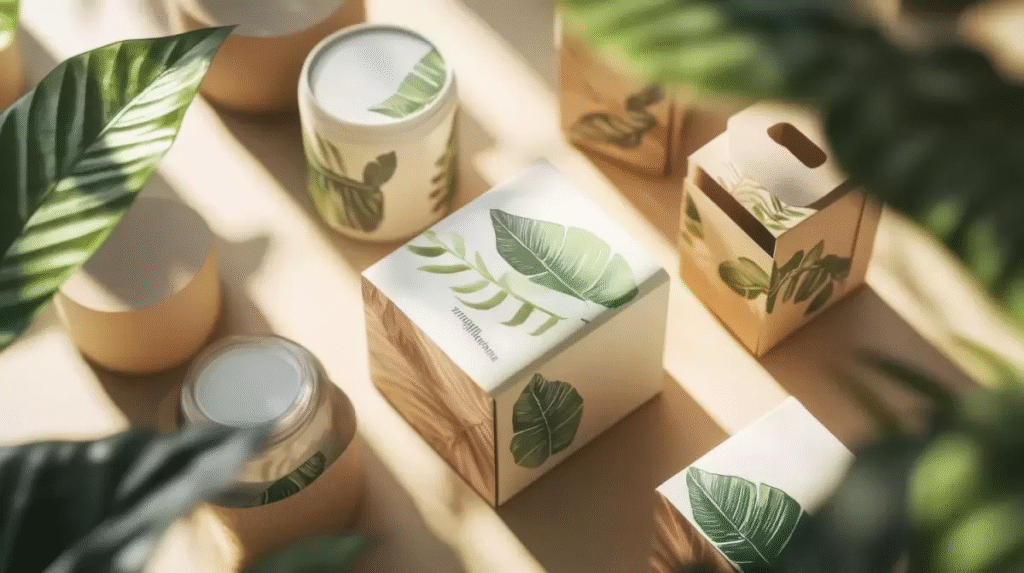
Before we dive into specific material trends and design finishes, let’s explore the underlying mindset driving the design world this year. In past eras, packaging was treated as an afterthought—a disposable wrapper meant to be ripped open in two seconds and immediately tossed into a recycling bin or, worse, a landfill.
Today, packaging has transformed into the physical heartbeat of a brand. It serves as the tangible bridge between a company’s values and a customer’s living room.
Think of packaging like the bark of a tree. In nature, bark isn’t just a random shell; it is a living, breathing protective layer that tells the entire history of the tree, shelters it from harsh winds, and interacts gracefully with the environment around it. Modern design looks to nature for its ultimate blueprint. Formulators and packaging designers are stepping away from shiny plastic laminates, toxic chemical coatings, and excessive foam inserts. Instead, they are turning toward raw, biodegradable, compostable, and sensory-rich elements that respect both the human hand and the earth from which they came.
Material Innovation — From Plastic Waste to Living Earth
The single biggest differentiator for any brand in 2026 is the physical material it chooses to wrap its products in. Consumers have become fiercely intelligent about greenwashing. They can spot a fake eco-friendly claim from a mile away. True standing out requires deep material integrity.
Mushroom Mycelium and Agricultural Byproducts
One of the most breathtaking breakthroughs in sustainable packaging is the rise of mycelium-based foam alternatives. By growing mushroom root structures around agricultural waste like hemp stalks and corn husks in custom molds, companies are creating rigid, protective packaging structures that offer the exact same shock absorption as traditional petroleum-based styrofoam—yet they are entirely home-compostable and break down safely in soil within weeks.
- Human Thought: “When a customer opens a fragile glass bottle and pulls out a molded organic tray that feels like soft earth and velvet, they don’t just see packaging. They feel an immediate, visceral respect for the brand’s commitment to the planet.”
Seed-Embedded Plantable Paper
Imagine receiving a product in a heavy, textured box made of cotton rag paper that is literally embedded with wildflower seeds. Once you unbox your item, instead of throwing the box away, you tear it into small pieces, plant it in a sunny patch of soil in your garden, water it, and watch wildflowers bloom a few weeks later. This interactive loop turns ordinary packaging into a living gift, creating an unforgettable emotional connection between the brand and the buyer.
The Sensory Unboxing Ritual — Engaging the Human Heart
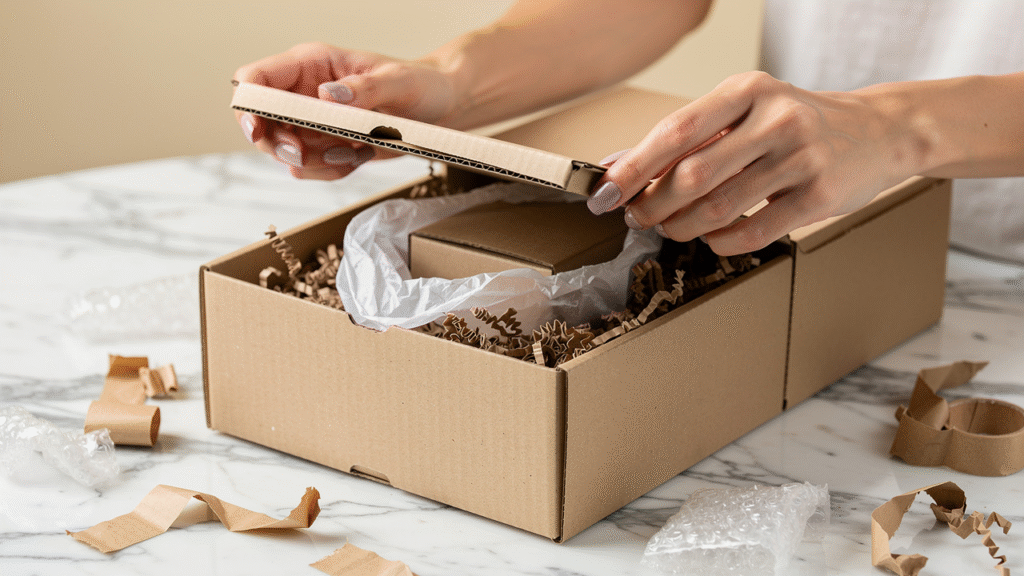
In a world dominated by algorithms, the physical unboxing moment is your brand’s ultimate handshake. It is the one physical touchpoint where you have your customer’s undivided, intimate attention.
The Symphony of Weight and Sound
Luxury and thoughtfulness are communicated through physics. Consider the heavy, satisfying thud of a thick-walled, unbleached cardboard box closing. Consider the soft, whispering rustle of unbleached tissue paper unfolding under fingertips. Every sound, every gram of weight, and every texture sends a subconscious signal to the human brain.
- The Tactile Touch: Ditch glossy, fingerprint-attracting plastic coatings. Opt for uncoated, tactile papers with deep cotton grains that feel warm and alive to the touch.
- The Scent of Place: Many forward-thinking brands are lightly scenting their inner tissue paper with natural botanical oils—like cedarwood, lavender, or crushed pine needles—creating an immersive sensory memory the second the box is unsealed.
Radical Transparency in Typography and Storytelling
We are moving away from loud, chaotic graphics and moving toward typography that breathes. Think of clean, minimalist serif and organic sans-serif fonts stamped with matte vegetable-based inks. On the inside flap of the box, rather than printing a sterile barcode, brands are writing a short, heartfelt letter from the founder or the artisan who made the product. This human-to-human communication builds instant loyalty.
Color and Visual Identity — The Quiet Palette of the Woods
If you look across retail shelves and e-commerce unboxing videos in 2026, you will notice a striking departure from the neon digital brights and aggressive primary colors that dominated the mid-2010s. The color palette of modern branding has grounded itself firmly in nature.
Earth-Toned Chromatics
Brands are drawing inspiration straight from natural landscapes. The reigning color families include:
- Muted Forest Greens: Reminiscent of moss-covered stones deep in an old-growth forest.
- Warm Terracotta and Clay: Echoing baked earth, sun-baked pottery, and raw ceramic workshops.
- Deep Ochre and Sandstone: Bringing a sense of calm, desert warmth and structural stability.
- Faded Mist Greys and Charcoal: Mimicking early morning fog rolling over a silent lake.
The Power of Negative Space
Just as a forest needs open clearings between tall trees so that light can filter down to the soil, great packaging design needs generous negative space. Cluttering every square millimeter of a box with badges, slogans, social media handles, and warnings creates visual anxiety for the viewer. Leaving large areas of raw, beautiful, unprinted paper allows the eye to rest and elevates the perceived value of the product instantly.
Interactive and Circular Design — Closing the Loop
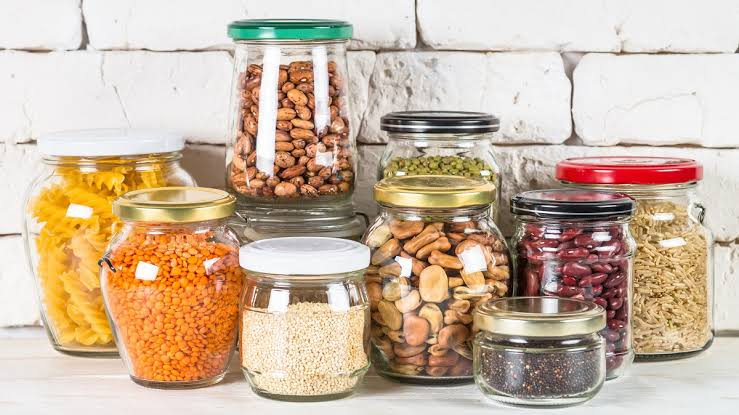
Standing out in 2026 also means taking responsibility for the entire lifecycle of your product. Consumers no longer want to feel guilty about the trash they generate when buying something they love.
Reusable Vessels and Permanent Packaging
Many innovative beauty, food, and home goods brands are designing their primary packaging to be permanent heirloom pieces. Think of heavy glass jars with ceramic refill pods, or aluminum tins designed to be refouned and reused indefinitely. The initial packaging investment acts as a beautiful object that lives on a bathroom counter or kitchen shelf for years, quietly displaying the brand name every single day.
Minimalist Minimalism: Doing More with Less
True sophistication often looks like restraint. Instead of using five layers of secondary packaging—a shipping box, a product box, a protective sleeve, a plastic wrap, and a ribbon—smart brands are engineering clever, single-structure boxes that lock securely without a single drop of tape or glue. This not only slashes shipping weight and carbon footprints but also creates a clean, uncluttered unboxing experience that feels like opening a cherished book.
FAQ’s
1. What are the major packaging and branding trends in 2026?
Major trends include sustainable materials, bold visual designs, minimal packaging, personalization, and smart packaging experiences.
2. Why is packaging important for branding?
Packaging creates a strong first impression and helps customers recognize and remember a brand.
3. How can brands make their packaging stand out?
Brands can use distinctive designs, clear messaging, memorable colors, creative shapes, and practical packaging features.
4. Is sustainable packaging a major trend in 2026?
Yes, many brands are focusing on recyclable, reusable, and lower-waste packaging solutions.
5. How does packaging influence customer decisions?
Attractive and well-designed packaging can capture attention and communicate a product’s value before purchase.